When it comes to keeping your
basement or crawlspace dry and flood-free, many homeowners turn to
sump pump installations as a dependable solution. Sump pumps are powerful tools that prevent flooding by efficiently removing excess water from vulnerable areas.
However, while sump pumps play a critical role in protecting your home from water damage, they’re just
one piece of the waterproofing puzzle. To truly safeguard your home, you need a complete system that includes proper drainage and moisture control.
In this post, we’ll explore the role of sump pumps, their limitations, and why pairing them with a
well-designed drainage system is essential for long-term protection.
⚙️ The Role of Sump Pumps in Flood Prevention
Sump pumps are often considered the
first line of defense against water intrusion in basements and crawlspaces. These devices are installed in a specially constructed
sump pit or basin, located at the lowest point of the space where water naturally collects.
When water levels rise, the sump pump automatically activates,
pumping water out and directing it away from your home — typically to a storm drain, yard, or other designated drainage area.
There are two main types of sump pumps:
- Submersible Pumps: Installed within the sump pit and designed to operate underwater. These pumps offer a clean, quiet, and efficient setup ideal for long-term use.
- Pedestal Pumps: Positioned above the sump pit, making them easier to access for maintenance. These are often used in emergency or post-flood situations to remove standing water quickly.
Regardless of the type, sump pumps are effective at removing large volumes of water and preventing flooding during storms or heavy rain events.
🚫 The Limitations of Sump Pumps
While sump pumps are essential for flood protection, it’s important to recognize that they’re
reactive systems — they only turn on once water has already entered the space.
That means:
- A
significant amount of standing water must be present before activation.
- They do
not address the source of the problem, such as surface runoff or groundwater infiltration.
- During power outages, pumps can fail without a
battery backup system, leaving your space vulnerable.
Most importantly,
a sump pump alone does not waterproof your basement or crawlspace. Without proper drainage and water management, moisture will continue to accumulate around your foundation, leading to
mold growth,
structural damage, and
poor indoor air quality.
🌧️ The Importance of Drainage Systems
A
comprehensive drainage system is the proactive counterpart to your sump pump. While the pump reacts to incoming water, the drainage system intercepts it — keeping it away from the foundation in the first place.
There are two primary types of drainage systems:
🌀 Interior Drainage
Interior drainage systems, such as
French drains, are installed along the inside perimeter of the basement or crawlspace. These systems collect water that seeps in through foundation walls or floors and channel it directly into the sump pit, where it can be pumped out efficiently.
🌿 Exterior Drainage
Exterior systems manage surface water before it ever reaches your foundation. This includes:
- Proper
grading to slope water away from the home
- Gutters and downspouts to carry water clear of the foundation
- Exterior drain tiles or trench systems to redirect groundwater
Together, interior and exterior drainage systems work to keep your foundation dry, reduce hydrostatic pressure, and minimize long-term moisture issues.
🏠 The Complete Waterproofing Solution
For true waterproofing protection, a
sump pump should always be part of a larger system that includes:
- Interior & exterior drainage
- Foundation grading & gutter management
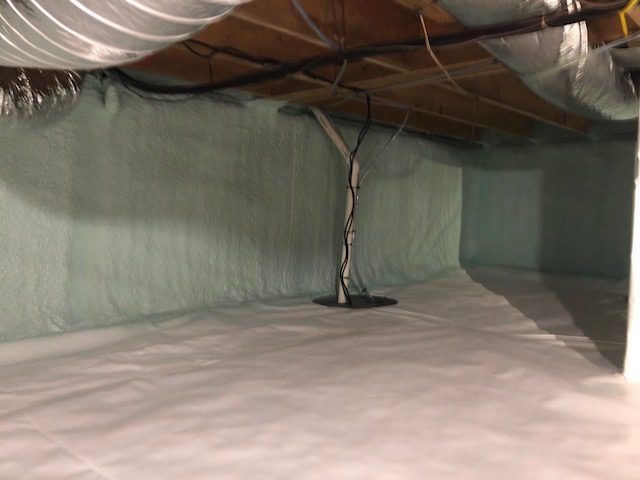
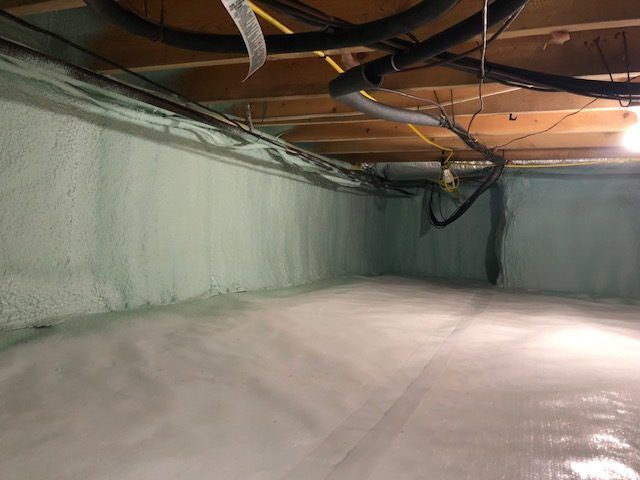
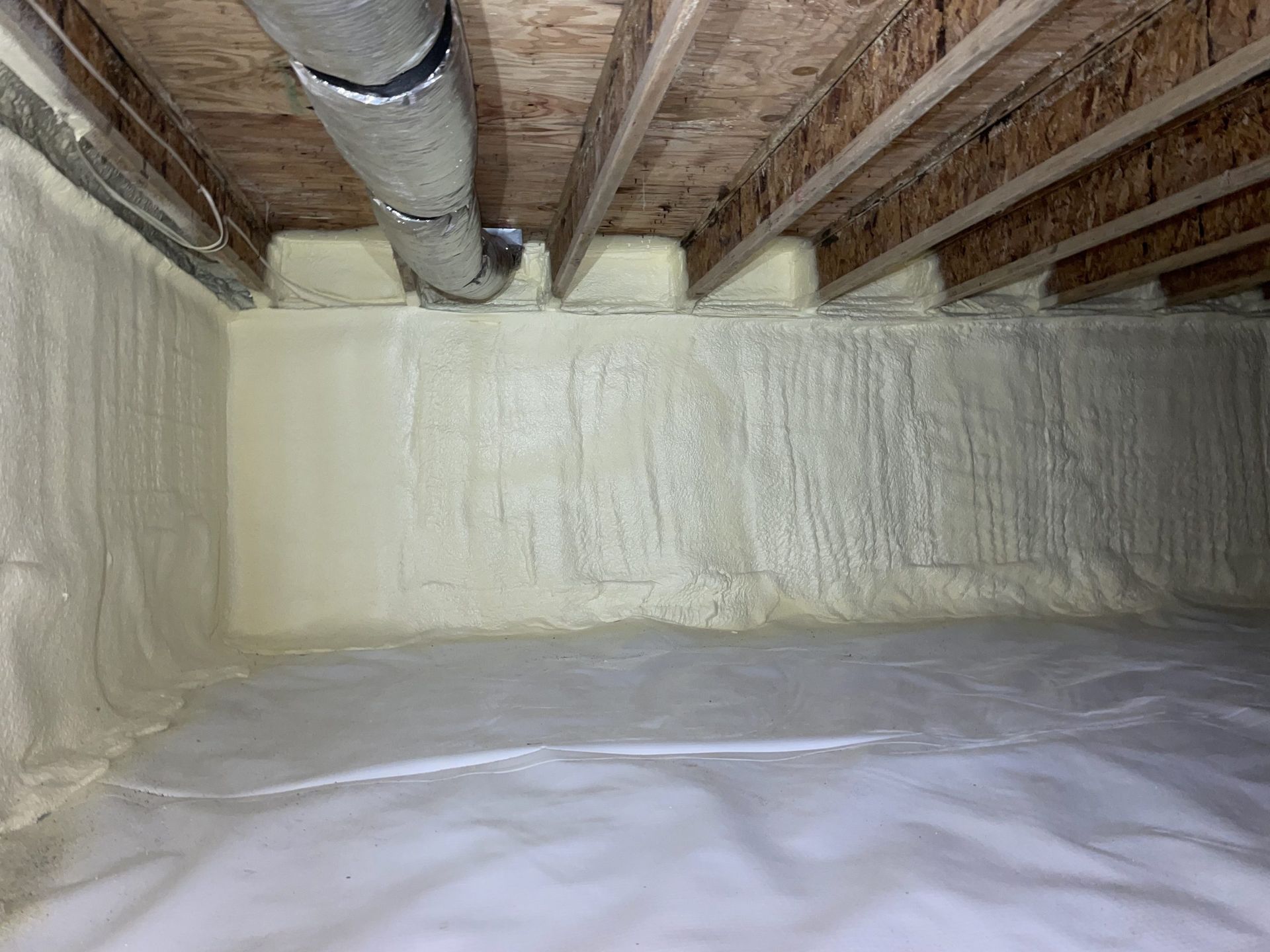
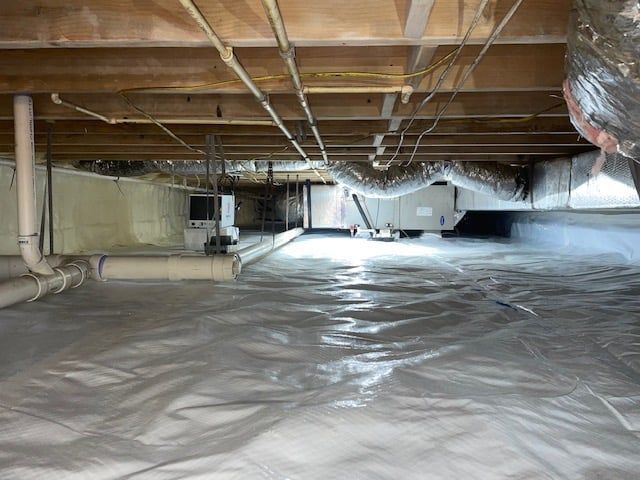
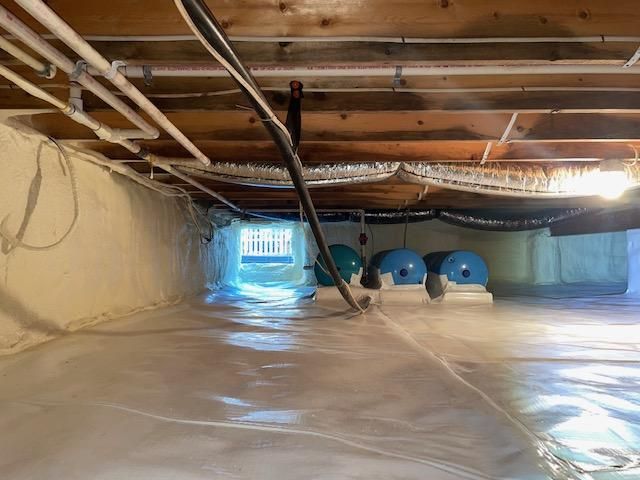
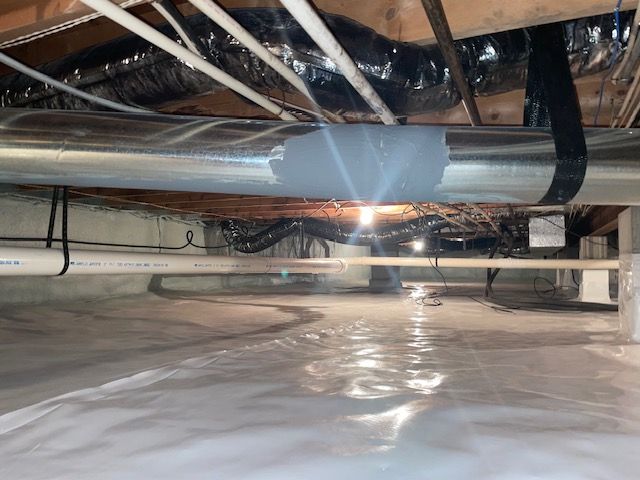
- Crawlspace encapsulation or vapor barriers
- Dehumidification systems for humidity control
By combining these components, you create a
comprehensive moisture management system that not only prevents flooding but also protects your foundation, improves indoor air quality, and extends the lifespan of your home.
👉
Related:
Guide to Crawlspace Encapsulation
👉
Also Read:
Crawlspace Duct Sealing: Comfort, Health & Efficiency
🔧 Work with the Waterproofing Experts at FLC Energy
At
FLC Energy, we understand that every home’s moisture challenges are unique. Our team of professionals designs
comprehensive waterproofing solutions — integrating sump pumps, drainage systems, vapor barriers, and dehumidifiers to keep your home protected year-round.
Whether you’re addressing an active water issue or proactively preventing one, our experts will evaluate your crawlspace or basement and create a plan tailored to your home’s specific needs.
📞
Call us today at (410) 860-8410 or
schedule a consultation to learn more about sump pump installations and complete waterproofing systems.
FLC Energy — Delmarva’s Home Performance Company
#CallFLC |
www.FLCGreenTeam.com