Crawl Space Encapsulation:
The Complete Delmarva Homeowner's Guide
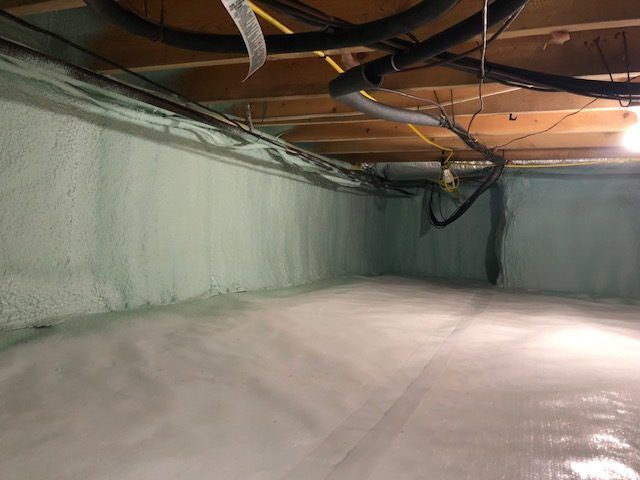
Crawl space encapsulation is the process of sealing the space under your home with a heavy vapor barrier, air sealing, and humidity control so ground moisture and humid outdoor air can no longer get in. Done right, it turns a damp, musty area into a clean, dry, conditioned part of the house.
That matters more on Delmarva than almost anywhere. High water tables, sandy coastal soil, and long humid summers push moisture into local crawl spaces season after season. FLC Energy has spent 32 years working under homes across Maryland and Delaware, and this guide covers what encapsulation is, how the job actually gets done, what it costs, and how to tell a real system from a cheap plastic liner. If you already know you want it and just need numbers, jump to our
crawl space encapsulation cost guide.
Crawl Space Encapsulation at a Glance
What it is: a sealed system of vapor barrier, air sealing, insulation, and humidity control under your home
What it fixes: moisture, mold and musty odors, high energy bills, pests, and rot
What a complete system includes: a reinforced liner, sealed vents and penetrations, insulation, and usually a dehumidifier
Typical Delmarva cost: $5,000 to $15,000 before rebates, or about $3 to $7 per square foot
How long it takes: often one to three days, depending on size and prep
Want your space assessed? Request a free FLC Energy quote or call 410-860-8410.
What Is Crawl Space Encapsulation?
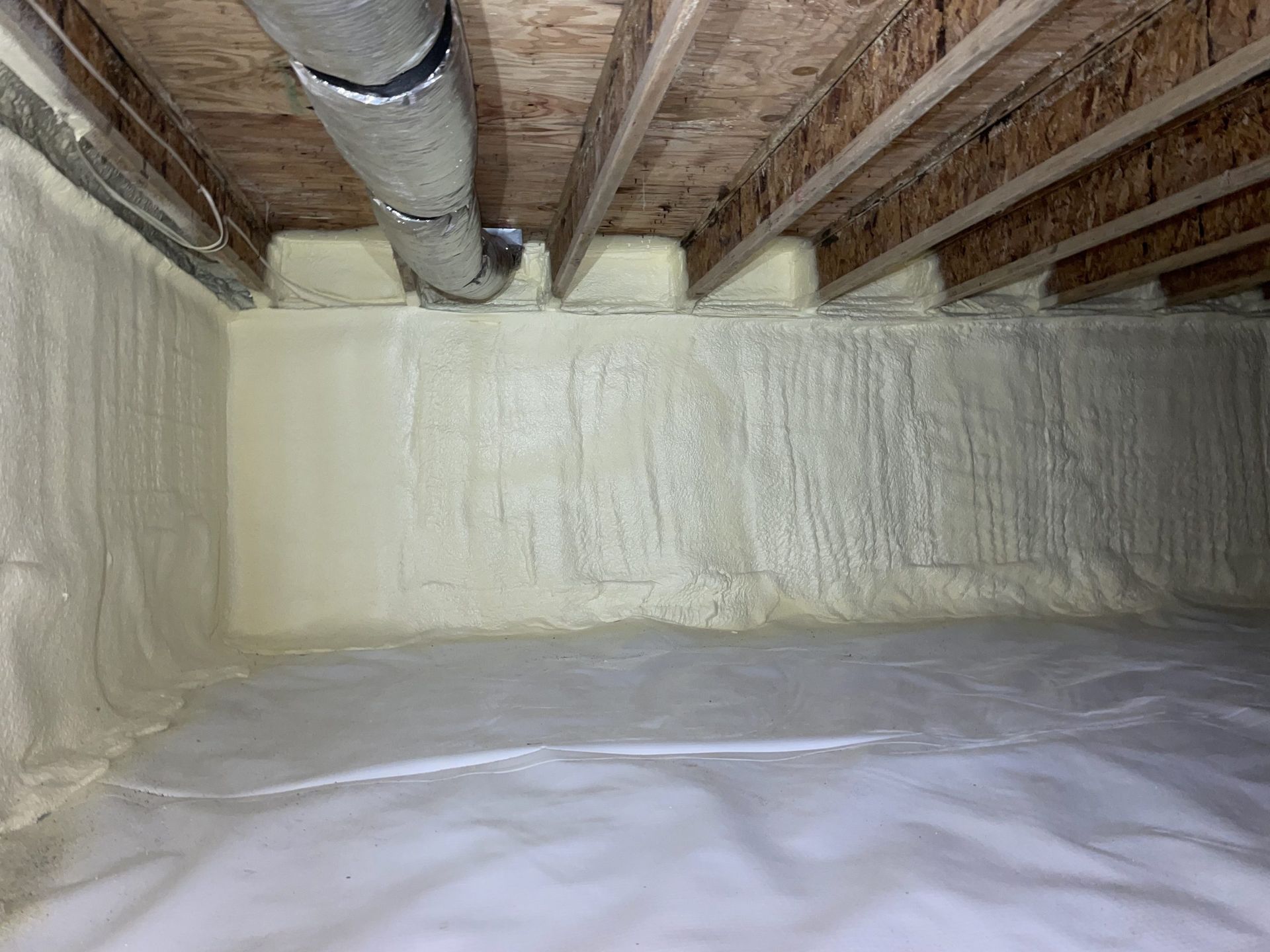
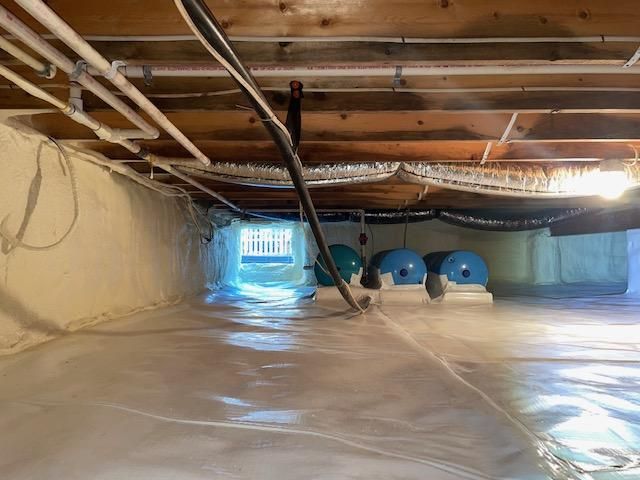
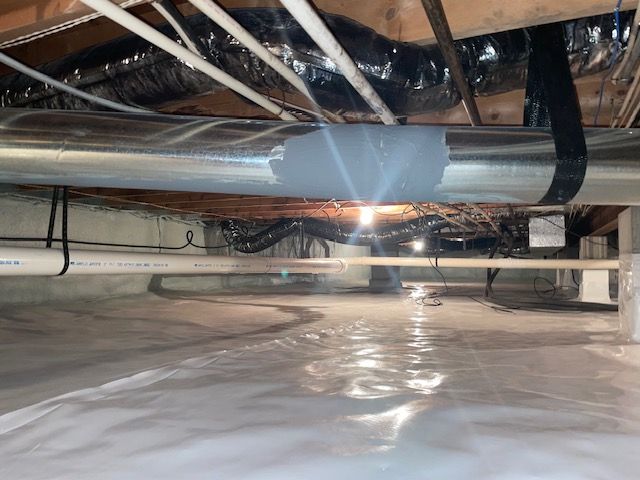
Encapsulation seals your crawl space off from the ground and the outdoor air. A reinforced polyethylene liner (usually 12 to 20 mil) is installed across the floor and up the foundation walls and piers, then sealed at every seam. Vents, the access door, and every pipe and wire penetration are closed up, and in most Delmarva homes a dedicated dehumidifier keeps the sealed space dry.
The goal is a continuous barrier between your living space and the wet, unconditioned ground below. Instead of a vented cavity that breathes humid summer air, you get a clean, dry zone that behaves like part of the conditioned house. That is different from simply laying plastic on the dirt, which is what a lot of cut-rate encapsulation quotes actually deliver.
Signs Your Crawl Space Needs Encapsulation
Most homeowners never climb under the house, so the warning signs usually show up upstairs first:
- A musty or damp smell on the first floor, worst in summer
- High or uneven humidity, and rooms that never feel comfortable
- Rising energy bills as your HVAC fights damp air
- Cupping or springy hardwood floors above the crawl space
- Mold, condensation, or standing water when you do look underneath
- More spiders, ants, or rodents than you would expect
On Delmarva, a musty smell and summer humidity are the two most common triggers. If you are seeing any of these, a
home energy audit is the fastest way to find out what is really happening under your floor.
How Crawl Space Encapsulation Works, Step by SteP
1. Inspect and Clean the Space
Every job starts with an inspection for standing water, pests, mold, and failed insulation. Old plastic, debris, and fallen insulation come out so the new system can seal to clean surfaces.
2. Fix Moisture and Mold First
Active mold on framing gets treated, and any rot or structural issue is addressed before sealing. Covering a moisture problem just hides it, so it always gets solved first.
3. Handle Drainage if Water Pools
If the space takes on water after storms, an interior French drain and sump pump go in before anything is sealed. Sealing a wet crawl space traps the water instead of stopping it.
4. Air Seal Vents and Penetrations
Foundation vents, the access door, and every pipe and wire opening are sealed. This is the step that stops humid outdoor air from pouring in all summer, and it is the one cut-rate quotes skip most often. It overlaps with the air sealing work we do throughout the home.
5. Install the Vapor Barrier
A reinforced 12 to 20 mil liner is laid across the floor and run up the walls and piers, then sealed at every seam. Thickness and detailing are everything here: a properly installed liner lasts for decades, while thin 6 mil sheeting tears on the first service visit. Our vapor barrier page covers the grades we install.
6. Insulate the Walls or Rim Joists
Foundation walls or rim joists are insulated with rigid foam board or closed cell spray foam, depending on the space, to cut heat transfer and tighten the envelope.
7. Add Humidity Control
Finally, a dedicated crawl space dehumidifier keeps the sealed space dry through a Delmarva August. Sizing and condensate drainage matter as much as the unit itself.
Encapsulated vs. Conditioned vs. Vented Crawl Spaces
Encapsulated
Sealed off from the ground and outdoor air with a liner, air sealing, and insulation, then kept dry with a dehumidifier. This is the current best practice for humid climates like Delmarva.
Conditioned
Goes one step further than encapsulation and ties the sealed space into your home's HVAC system. It also controls moisture, and the right fit depends on your home.
Vented
The old approach: open foundation vents meant to dry the space with outside air. Building science has shown the opposite in humid climates, where those vents pull in warm, wet summer air that condenses on cooler surfaces underneath. This is no longer considered best practice here.
Our breakdown of
conditioned vs. encapsulated crawlspaces walks through when each one makes sense.
Benefits of Crawl Space Encapsulation
Lower Energy Bills
Field research on sealed, unvented crawl spaces has measured roughly 15 to 18 percent heating and cooling savings compared with vented ones. The U.S. Department of Energy's seal and insulate guidance treats crawl space sealing and insulation as core efficiency work.
Healthier Air Upstairs
Because of the stack effect, a real share of the air you breathe on the first floor rises up out of the crawl space. Drying and sealing that space means less musty odor, fewer allergens, and less mold risk where you live.
Protection From Expensive Damage
Chronic moisture eventually bills you anyway through rot, pest damage, rusted ductwork, and cupped floors. Encapsulation is the version of that spending that adds value instead of just repairing harm.
Better Resale
Home inspectors go under the house, and buyers walk away from bad crawl space notes. A clean, encapsulated space reads as a well-maintained home.
How Much Does Crawl Space Encapsulation Cost?
Most complete crawl space encapsulation projects on Delmarva run $5,000 to $15,000 before rebates, or about $3 to $7 per square foot for a standard job. A small, dry space that only needs a sealed liner lands at the low end. A large space with standing water, mold, or damaged framing lands at the high end. For a full line-item breakdown and the factors that move the number, see our crawl space encapsulation cost guide.
The good news for Maryland and Delaware homeowners is that utility programs cover a meaningful share:
Maryland
Delmarva Power's Home Performance with ENERGY STAR program offers a low-cost energy assessment and up to $10,000 in rebates on qualifying air sealing and insulation work.
Delaware
Energize Delaware pays incentives on qualifying upgrades, with the bonus rising to 25 percent on work starting July 1, 2026.
One note for 2026: the federal 25C energy efficiency tax credit expired for projects completed after December 31, 2025, so these state and utility programs are now the main way to lower your price. Both start with a professional home energy audit, which is exactly how encapsulation should be scoped anyway.
DIY vs. Professional Encapsulation
You can buy liner and tape for far less than a professional install, but DIY encapsulation usually traps moisture instead of stopping it, because the drainage, air sealing, and dehumidification get missed. It can also cost you the rebates, since Maryland and Delaware programs require a professional assessment and a participating contractor to qualify. For a lasting result and access to those incentives, this is work worth having done right the first time.
Why Delmarva Homeowners Choose FLC Energy
FLC Energy is Delmarva's Home Performance Company. We have spent 32 years under homes from Salisbury to the beaches, we hold BPI Gold Star certification, and we are Pearl Certified. More important, we treat your house as a system: moisture, air, insulation, and equipment all interact, so every encapsulation starts with a whole-house assessment instead of a flashlight walk-through and a sales binder. You can see everything a complete system involves on our crawl space services page.
Crawl Space Encapsulation FAQs
What is crawl space encapsulation?
Crawl space encapsulation is sealing the space under your home with a heavy vapor barrier, air sealing, and humidity control so ground moisture and humid outdoor air stay out. It turns a damp, vented cavity into a clean, dry, conditioned space.
How long does crawl space encapsulation take?
Most encapsulations take one to three days, depending on the size of the space, how much cleanout and prep is needed, and whether drainage or mold work is involved.
How long does an encapsulated crawl space last?
A properly installed reinforced liner typically lasts 15 to 20 years or more, and the dehumidifier and drainage components last for many years with basic maintenance. Thin, poorly sealed plastic fails far sooner.
Will encapsulation get rid of the musty smell in my house?
Usually, yes. Because much of your first-floor air rises up from the crawl space, sealing and drying that space typically removes the musty odor and cuts allergens and mold risk in the living area above.
Do I need a dehumidifier with encapsulation?
In a humid, high water table region like Delmarva, most encapsulated crawl spaces need a dedicated dehumidifier to stay dry year-round. A sealed liner alone often is not enough through the local summer.
What is the difference between a vapor barrier and full encapsulation?
A vapor barrier is one component, the liner on the ground and walls. Full encapsulation adds air sealing, insulation, and humidity control so the whole space stays dry. A barrier alone in a humid climate usually is not enough.
Final Thoughts: The Bottom Line on Crawl Space Encapsulation
- Encapsulation seals your crawl space with a liner, air sealing, insulation, and humidity control
- On Delmarva it is one of the highest-value moisture and energy upgrades you can make
- Typical complete project: $5,000 to $15,000 before rebates, about $3 to $7 per square foot
- The vapor barrier grade and the dehumidifier are the two components worth pricing most carefully
- Maryland and Delaware utility programs can return thousands through rebates and low-rate financing
- A real system is sealed, dried, and itemized; a cheap quote is often just plastic on the dirt
Did you know?
50% of the air you breathe on the first floor of your home comes from the crawl space!
Ready to Encapsulate Your Crawl Space?
Every FLC encapsulation starts with a whole-house assessment, so you get a plan built for your home and help lining up the rebate paperwork that brings the price down.
Request your free quote or #CallFLC at 410-860-8410.
FLC Energy, Delmarva's Home Performance Company
602 Snow Hill Rd, Salisbury, MD 21804.
Serving Maryland and Delaware homeowners for 32 years.
CONNECT WITH US
Latest news