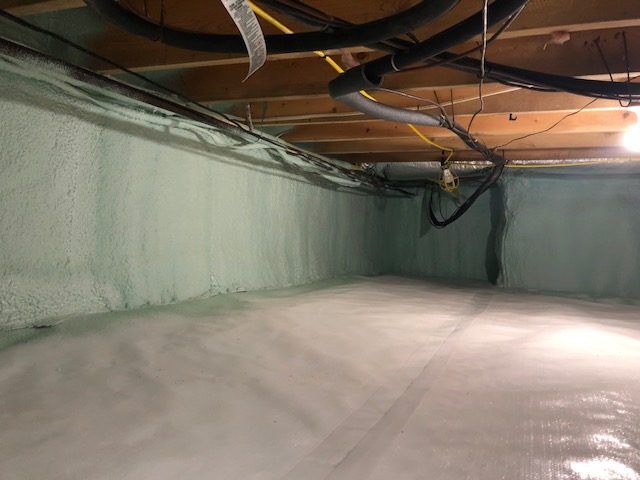
Conditioned vs. Encapsulated Crawlspaces: What’s the Real Difference?
When it comes to crawlspace repair and moisture control, different companies may use different terms to describe similar goals — a clean, dry, healthy, and energy-efficient crawlspace.
At
FLC Energy, we often recommend
Conditioned Crawlspaces over what many call
Encapsulated Crawlspaces. While both systems focus on controlling water and humidity, they’re not the same — and understanding the difference can help you make a smarter, longer-lasting investment in your home.
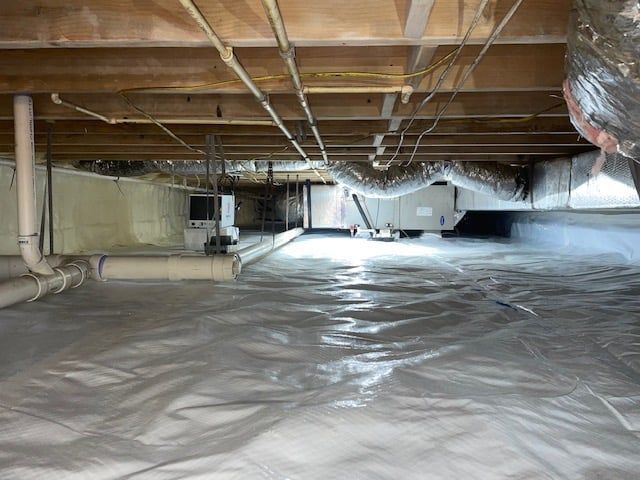
🏗️ Encapsulated Crawlspaces: Managing Moisture, Not Air
An
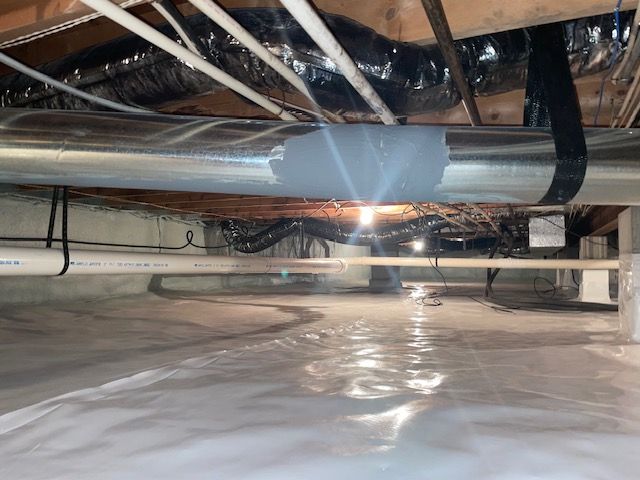
encapsulated crawlspace is designed to manage
bulk water and relative humidity. These systems:
- Prevent
rot,
mold,
soil gas odors, and even some
pests
- Are
sealed from outdoor air but
not heated or cooled like the rest of the home
- Usually keep
insulation in the crawlspace floor, separating the space from the home’s conditioned area
Encapsulated crawlspaces are a major improvement over traditional vented crawlspaces (see
Vented Crawlspaces – Why They’re No Longer Best Practice), but they don’t perform quite as efficiently as a fully
conditioned system.
💧 Controlling Bulk Water in a Crawlspace
Crawlspaces face water intrusion from several sources:
1. Groundwater – Often managed with a
vapor barrier or
plastic liner on the crawlspace floor.
2. Condensation – Forms when warm, humid air hits cold surfaces like ducts or plumbing pipes.
3. Foundation or Footer Water – Water seeping through block or concrete walls, often fixed with
interior French drains or
exterior drainage systems.
For serious water problems, you’ll need a
sump pump and/or
French drain system. Learn more about how these systems work together in
Should I Install a Sump Pump?.
Even if your crawlspace doesn’t currently have standing water, it’s still smart to install a sump pump. Anyone who’s dealt with a plumbing leak or flood knows that once water gets under your house, removing it is no easy task.
🌫️ Regulating Humidity: The Key to Preventing Condensation
There’s no shortage of opinions on moisture control, but
FLC Energy always recommends a
crawlspace dehumidifier — even when the space is connected to the home’s HVAC system.
A dehumidifier ensures that
relative humidity stays within safe levels year-round (ideally under 60%). For newer, airtight homes, this is especially critical.
We also recommend pairing your system with a
remote hygrometer or
smart humidity monitor that sends alerts directly to your phone if humidity spikes or temperatures drop. These sensors can catch small problems before they become major repairs.
🦠 Preventing Mold and Rot
Unfortunately, mold and wood rot are common in most crawlspaces — especially here on the Delmarva Peninsula. Constant dampness and high humidity make the perfect environment for fungi to thrive.
However, a properly designed
Conditioned Crawlspace eliminates those risks by controlling both water and humidity from the start.
If you want to dive deeper into how ductwork affects humidity and air quality, check out
Crawlspace Duct-Sealing: Comfort, Health & Efficiency. It explains how leaky ducts can pull damp, unconditioned air into your living space — a major contributor to mold, musty odors, and high energy bills.
🌡️ Conditioned Crawlspaces: The Modern Standard
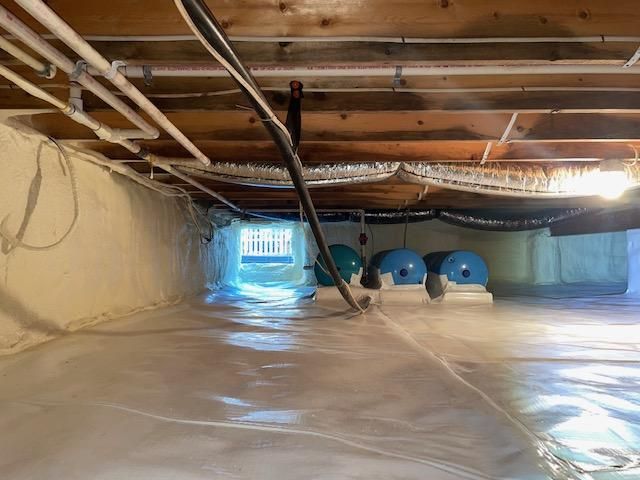
A
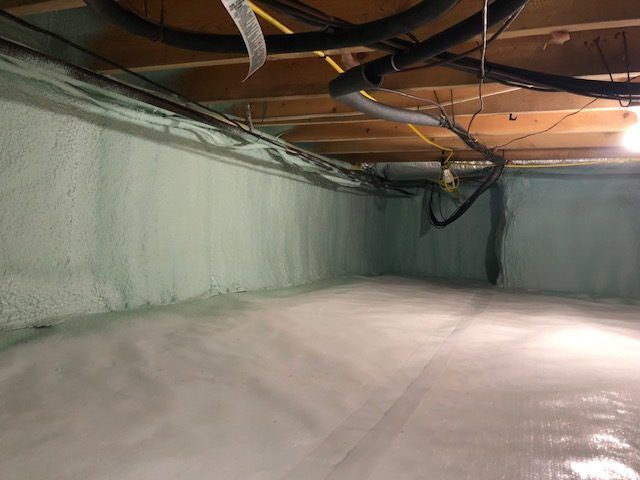
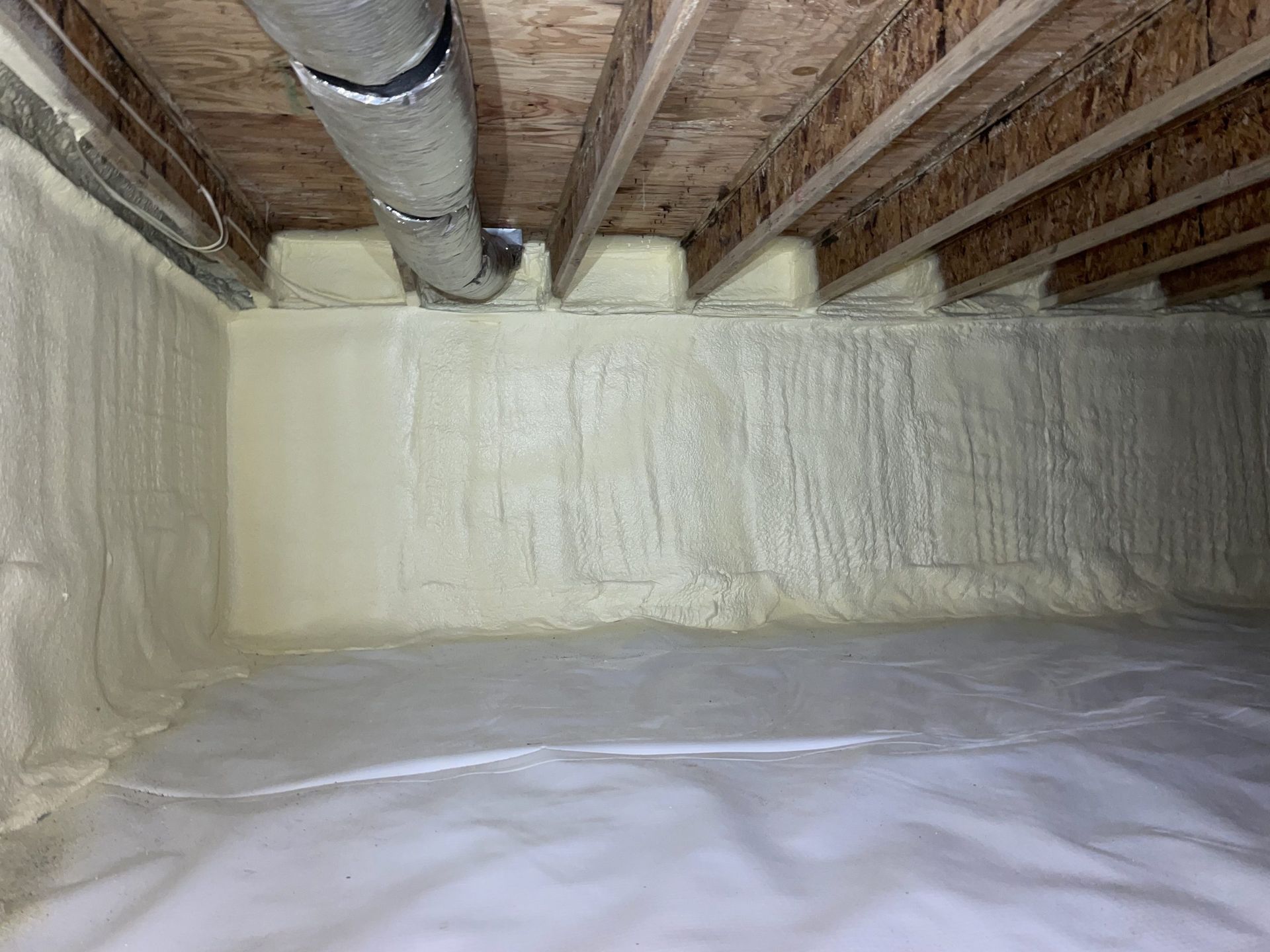
conditioned crawlspace goes a step beyond encapsulation. Instead of isolating the crawlspace, it brings it
within the home’s thermal envelope — meaning it’s semi-heated, semi-cooled, and managed as part of your indoor environment.
Conditioned crawlspaces:
- Use wall insulation rather than floor insulation
- Are sealed from outside air
- Include
dehumidification and sometimes a
dedicated HVAC supply or return
- Offer
better comfort, efficiency, and air quality
This approach aligns with the latest building science and is recommended by
Home Performance Contractors nationwide — including
FLC Energy, Delmarva’s Home Performance Company.
🏡 Why Proper Crawlspace Design Matters
To recap:
- A vapor barrier alone won’t solve crawlspace moisture.
- Controlling bulk water (with sump pumps and drainage) and humidity (with a dehumidifier or conditioning) is essential.
- Encapsulation creates separation from outside air — but conditioning turns the crawlspace into an efficient, healthy part of your home.
If you’re buying or renovating a home, don’t overlook this space. The crawlspace directly impacts your
energy efficiency,
indoor air quality, and even
family health.
Want to see how a conditioned crawlspace could improve your home?
📞 Call FLC Energy at (410) 860-8410 or
schedule a consultation.
FLC Energy — Delmarva’s Home Performance Company
#CallFLC |
www.FLCGreenTeam.com