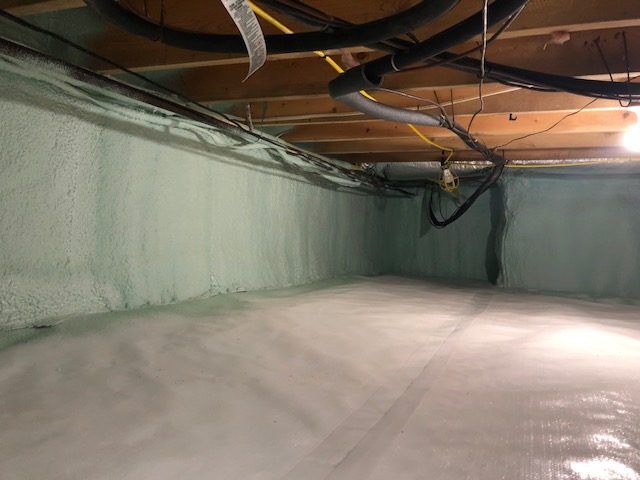
Spray Foam Insulation in Crawlspaces: What You Should Know!
On the Delmarva Peninsula, humidity, damp soil, and temperature swings create the perfect environment for crawlspace problems. From high electric bills to mold growth and uncomfortable floors, the issues often start under your home – and spray foam insulation in your crawlspace is one of the most effective ways to solve them.
But many homeowners have understandable questions:
- Is spray foam safe under my home?
- Will it trap moisture?
- Should it go on the subfloor or the foundation walls?
- Is open-cell or closed-cell better for crawlspaces?
This guide answers all of it — clearly, honestly, and with real building-science explanations.
Why Spray Foam Belongs in Crawlspaces
Unlike fiberglass or rigid foam board, spray foam provides:
- an
air
barrier
- a
moisture
barrier
- a
thermal
barrier
- and in the case of closed-cell,
structural strength
Crawlspaces cause four big problems:
- High humidity
- Cold floors
- Mold / Wood Rot
- Pests
Closed-cell spray foam solves all four simultaneously —
if installed correctly by a Home Performance company!
Addressing Homeowner Concerns
“Will spray foam trap moisture?”
No — it prevents moisture from entering the materials in the first place.
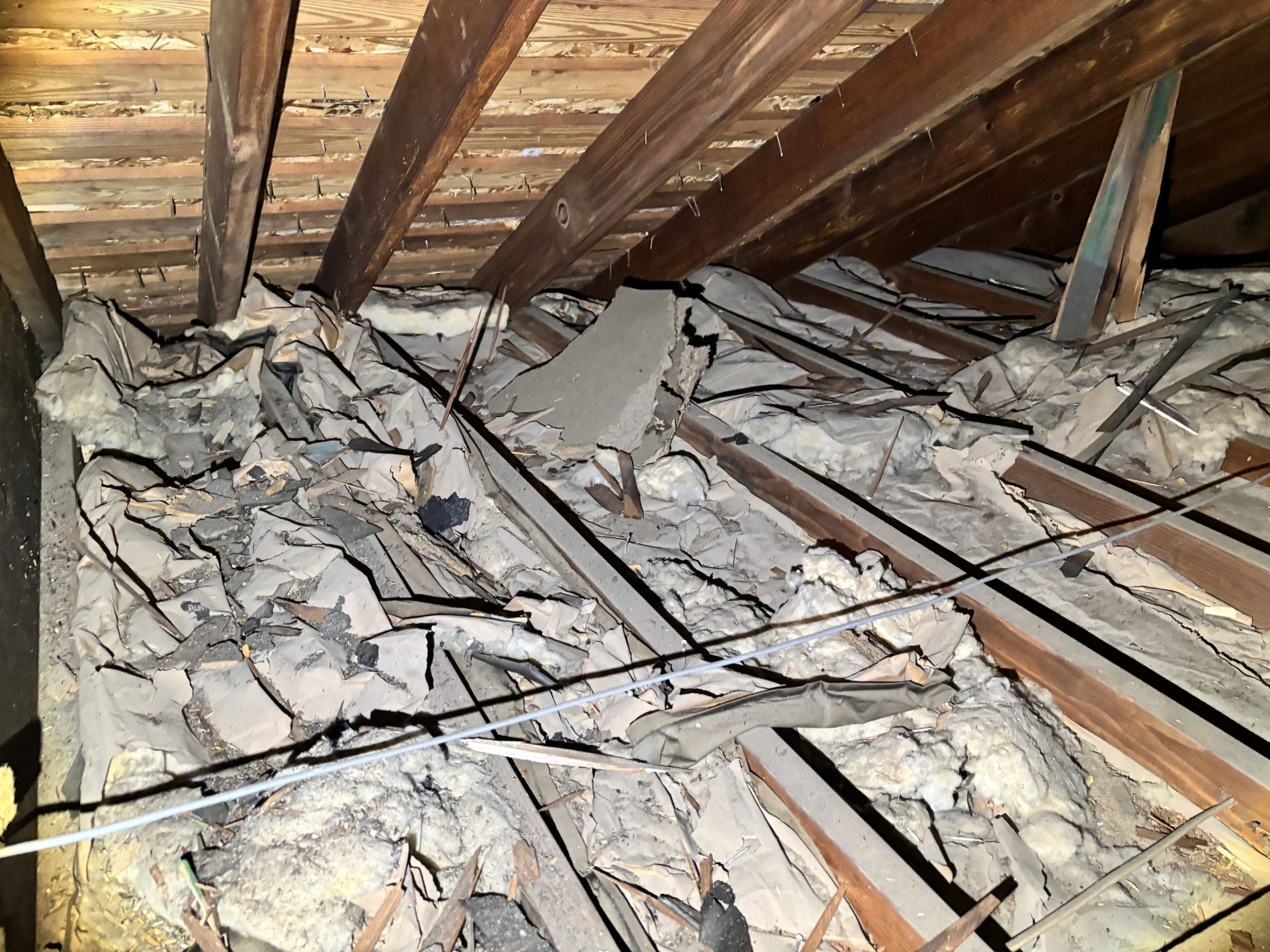
Fiberglass gets wet and can
trap moisture.
Spray foam
blocks it.
Especially
Closed Cell Spray Foam, which:
- rejects
bulk water
- prevents condensation on pipes/ducts
- air-seals all gaps
- stabilizes wood moisture content
This is why spray foam is used in:
- flood zones
- commercial buildings
- marine environments
- refrigerated spaces
- exterior applications
“Can spray foam cause mold?”
Closed-cell spray foam is
inorganic — mold cannot feed on it.
The
actual cause of mold in crawlspaces is:
- humid outdoor air entering through vents
- condensation on cold surfaces
- wet soil vapor
- failing subfloor insulation
Spray foam can help
fix the root issues.
It
doesn’t create them.
“Will foam damage my home or wood?”
Spray foam
strengthens structural assemblies.
Closed-cell foam increases:
- racking strength
- shear resistance
- subfloor rigidity
Homeowners often tell us: “My floors feel more solid after the foam install.”
That’s not an accident — it’s physics!
Where Can Spray Foam be Applied in the Crawlspace (and why)
Spray Foam on the Subfloor (Floor Joists)
This is used when the crawlspace will
NOT be brought into the home’s conditioned envelope.
Spray foam on the subfloor is ideal when:
- the crawlspace cannot be sealed
- ducts are not located under the home
- the HVAC is in the attic
- budget constraints prevent a full encapsulation
- the home is built over and close to the water (beach towns)
Benefits:
- stops cold floors in winter
- seals plumbing & wiring penetrations
- creates a continuous and sealed surface on the bottom of the home
- eliminates drafts
- prevents condensation on the subfloor
- resists pests and rodents
Important notes:
Fiberglass installed in this location
will eventually fail. It absorbs moisture, sags down and traps mold.
Spray foam does the opposite — it protects the wood.
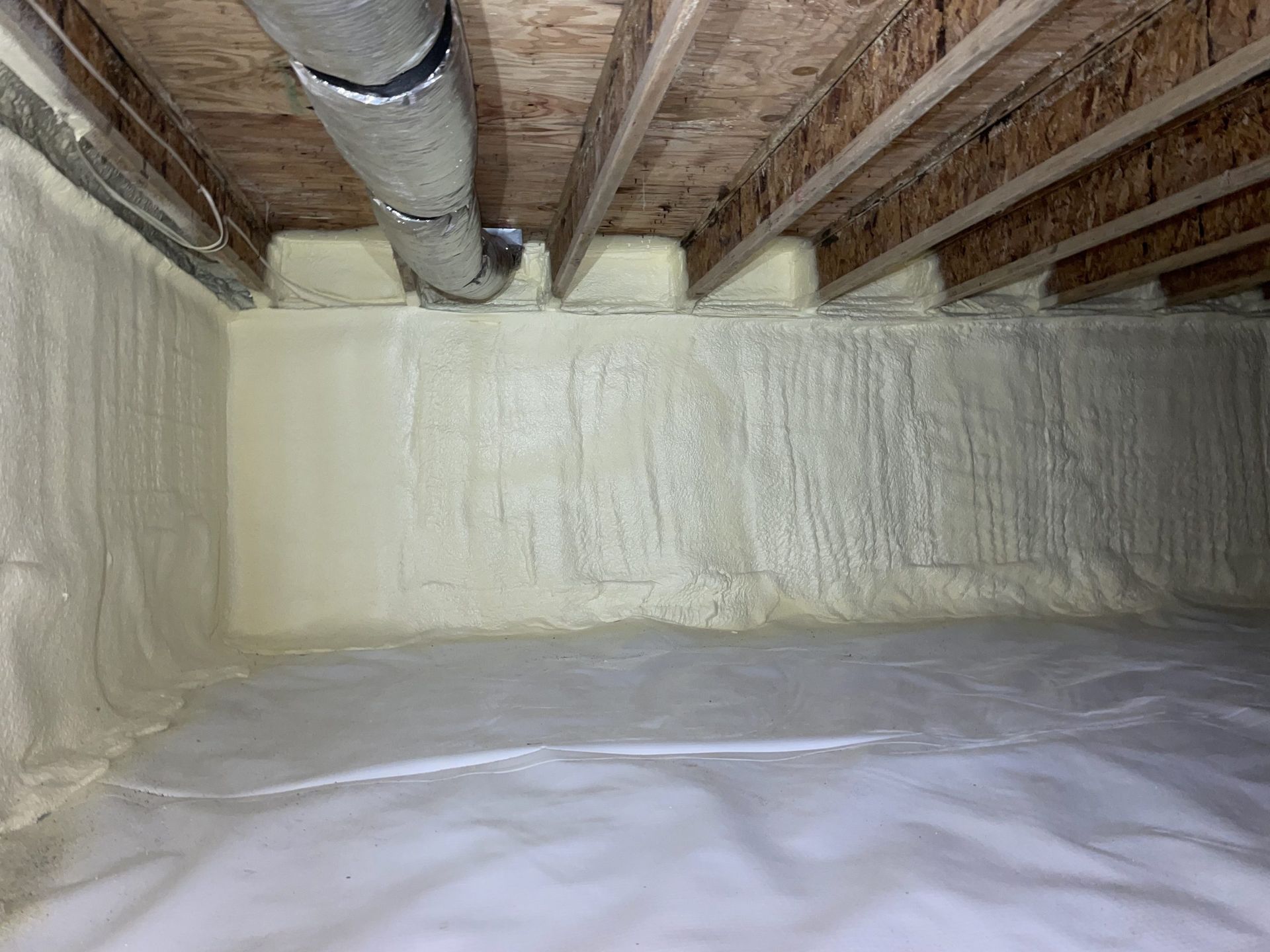
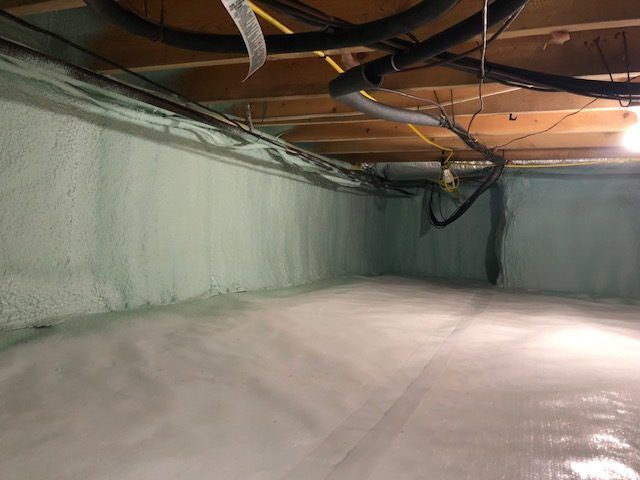
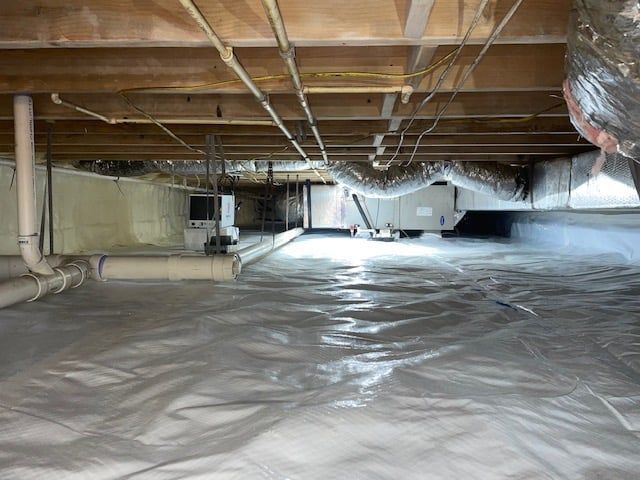
Spray Foam on the Foundation Walls
This application is used for
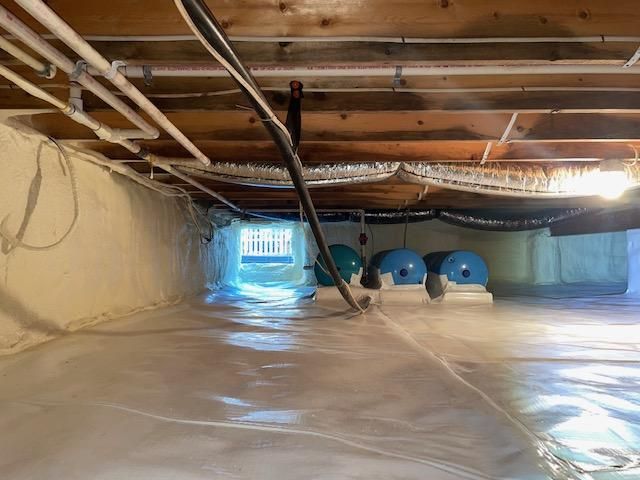
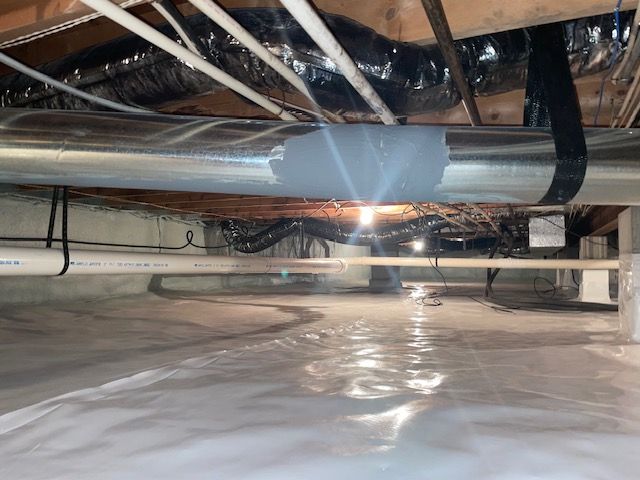
sealed or conditioned crawlspaces — the modern best practice.
When combined with:
- a vapor barrier
- sealed vents
- a dehumidifier
…your crawlspace becomes a stable, controlled environment.
(You could literally sleep down there)
Benefits:
- blocks humid outside air
- eliminates condensation on walls
- creates thermal continuity
- reduces utility bills
- reduces crawlspace humidity dramatically
Closed-cell foam also provides a
Class II vapor retarder, which helps keep ground and wall moisture out of the crawlspace air.
Spray Foam on the Rim-Joist
This is one of the most important areas to air-seal in the entire house and
so many companies fail to address it!
Why is it important?
Because the rim-joist is:
- full of plumbing/wiring penetrations
- extremely leaky
- exposed to outdoor humidity (its only 1.75 inches thick)
- a major source of drafts and heat loss
Closed-cell spray foam on the rim-joist:
- stops infiltration
- prevents condensation
- strengthens the perimeter structure
- blocks pests
- stops cold floors
- improves energy efficiency
- reduces crawlspace humidity dramatically
Benefits Homeowners Feel Immediately
Spray foam in the crawlspace provides real, measurable improvements:
Comfort
- warmer floors
- fewer drafts
- consistent room temperatures
Air Quality
- no musty smells
- lower crawlspace humidity
- reduced allergens and mold spores
Energy Savings
- HVAC run-time decreases
- attic and crawl temperatures stabilize
- average savings:
15–25%
Home Protection
- prevents wood rot
- eliminates wet insulation
- stabilizes structure and subfloor
- improves energy efficiency 10–20%
- reduces crawlspace humidity dramatically
Closed-cell foam also provides a
Class II vapor retarder, which helps keep ground and wall moisture out of the crawlspace air.
When is Spray Foam the Wrong Choice?
We pride ourselves on honesty.
Spray foam is
NOT recommended when:
In those situations, we first install:
- French drains
- sump pumps
- downspout extensions
- moisture management systems
Sometimes we just wait our turn to get to work…
Then we spray foam!
Final Verdict: Should You Use Spray Foam in Your Crawlspace?
YES — but only when installed correctly and as part of a building-science-based solution.
Spray foam:
- eliminates moisture problems
- improves indoor air quality
- strengthens your home
- lowers energy bills
- protects your floors and structure
And when installed by
FLC Energy — Delmarva’s Home Performance Company — you get:
- certified applicators
- building-science diagnostics
- post-installation quality inspections
- decades of crawlspace experience
Ready to Insulate your Crawlspace with Spray Foam?
Stop guessing — and stop suffering from humidity, cold floors, or mold.
📞
#CallFLC at 410-860-8410
Let us inspect your crawlspace and recommend the right solution for your home.