What’s the Purpose of a Crawlspace?
When it comes to residential construction, one architectural feature that often goes unnoticed is the
crawlspace. However, this often-overlooked area plays a vital role in your home’s comfort, durability, and efficiency.
In this post, we’ll explore what a crawlspace does, how it’s built, and why modern homeowners on Delmarva are turning to
crawlspace encapsulation and
conditioning to protect their homes from moisture, mold, and energy loss.
The Crawlspace Foundation and Regional Variations
A crawlspace is a
raised foundation that elevates your home off the ground, creating a narrow, accessible area beneath your floors. It typically consists of
concrete or cinder block perimeter walls, support piers, and wooden floor joists.
Crawlspaces are common in regions with moderate climates — like
Maryland and Delaware — where they help protect homes from moisture, flooding, and shifting soil conditions.
By lifting your home above grade, crawlspaces:
- Provide a barrier between the ground and your living space
- Reduce flood risk in high-moisture areas
- Allow air circulation under the home (when properly sealed or conditioned)
💡 Pro tip: In areas with a high water table or humid climate, an unsealed crawlspace can easily trap moisture — leading to mold, wood rot, and air quality issues. That’s why
professional crawlspace repair and moisture control is so critical.
Accessibility and Versatility
One of the biggest advantages of a crawlspace is
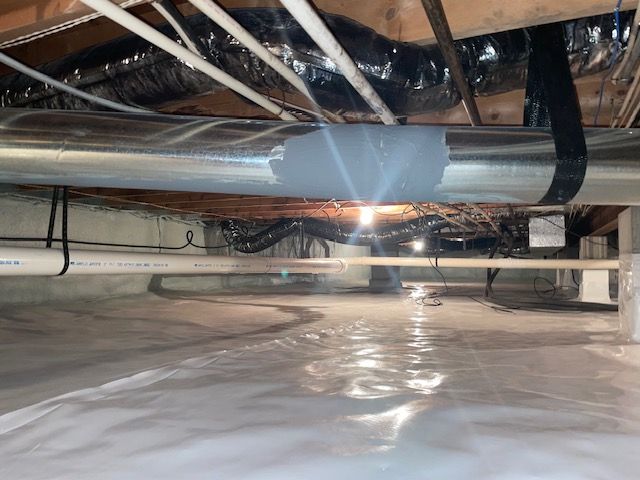
easy access to essential home systems:
- Plumbing lines
- Electrical wiring
- HVAC ductwork
This accessibility allows for faster, less invasive repairs and upgrades. For example, during a remodel, contractors can reroute plumbing or run new wiring without breaking through floors or walls.
That flexibility makes crawlspaces especially valuable for
home renovations and layout changes, where adaptability and convenience are key.
Benefits of a Crawlspace for Renovations and Layout Changes
Crawlspace foundations offer multiple benefits when updating your home:
a) Accessibility: You or your contractor can easily reach plumbing, wiring, and ductwork.
b) Flexibility: Want to add a bathroom, reroute HVAC, or expand your living space? A crawlspace makes it simpler and more cost-effective.
c) Cost-effectiveness: Compared to slab or full-basement foundations, crawlspaces can be more affordable to modify and repair — saving you money over time.
If you’re planning renovations, it’s worth consulting an
energy audit and home performance expert to ensure your crawlspace supports both comfort and efficiency goals.
Shifting Perspectives: From Outdoor Space to Indoor Environment
Traditionally, crawlspaces were treated like outdoor spaces — unsealed, vented, and largely ignored. But today, building science tells a different story.
Modern research shows that air from your crawlspace moves upward into your living areas through a process known as the
stack effect. If your crawlspace is damp or moldy, that air — and its contaminants — end up inside your home.
That’s why experts now treat crawlspaces as part of the
conditioned indoor environment, not the outdoors. The best way to achieve that is through
crawlspace encapsulation and
conditioning.
Why Crawlspace Encapsulation or Conditioning Matters
Crawlspace Encapsulation
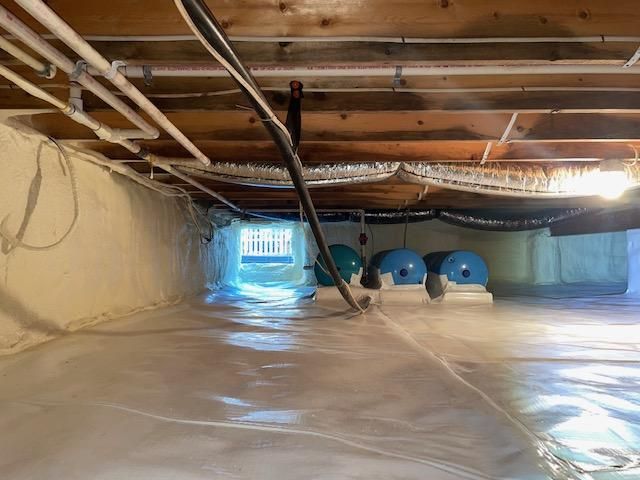
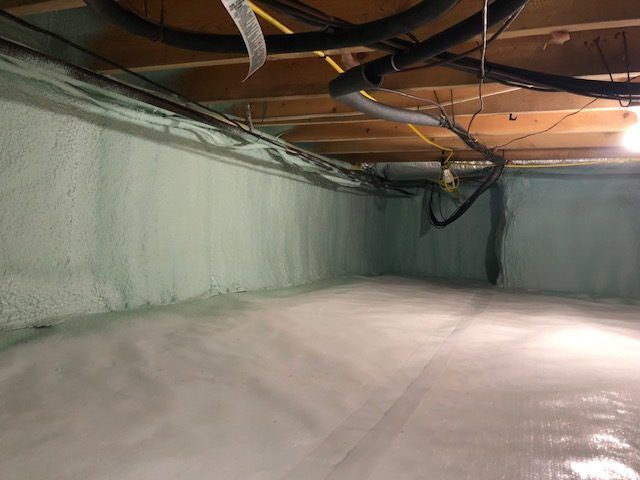
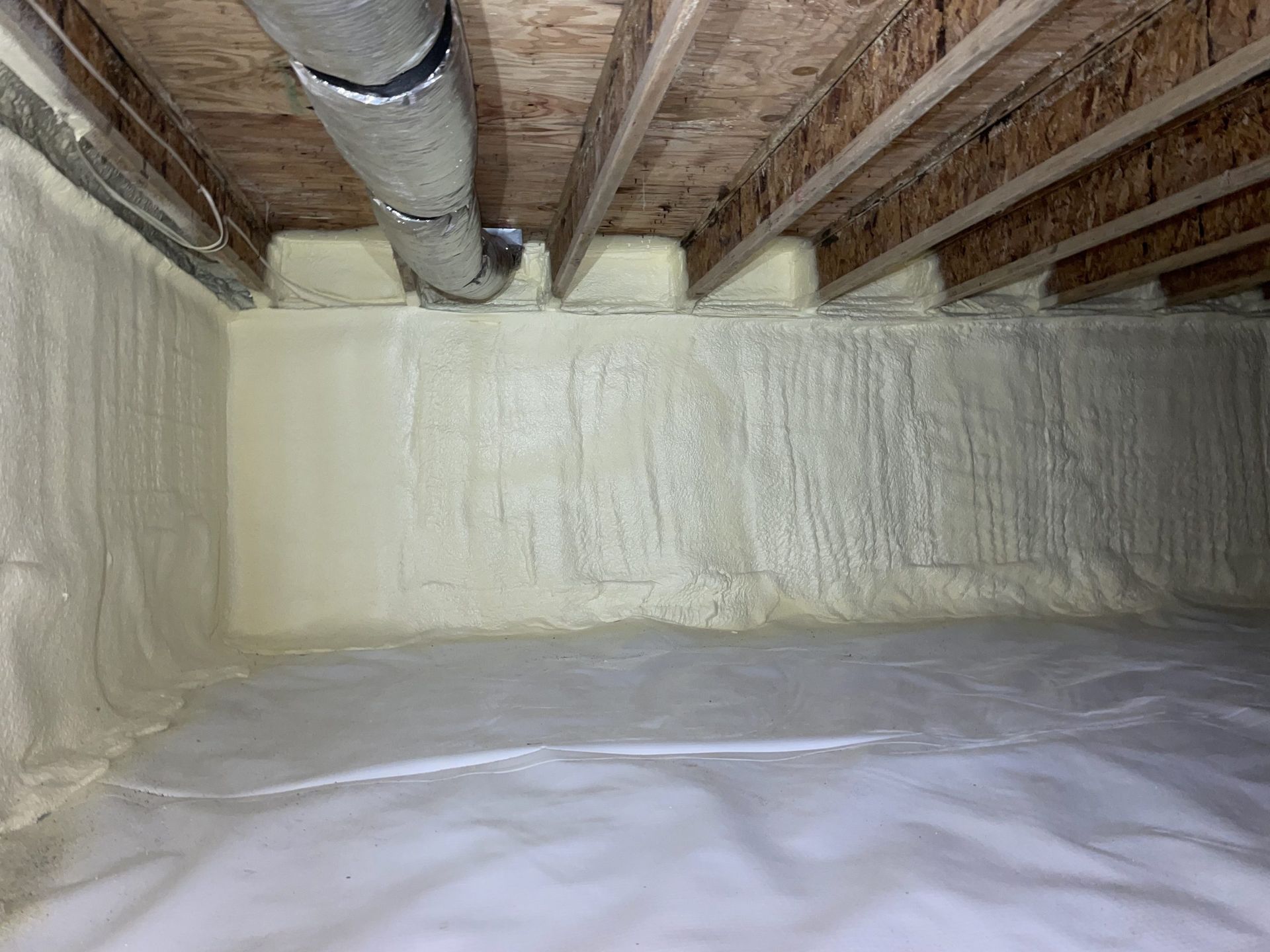
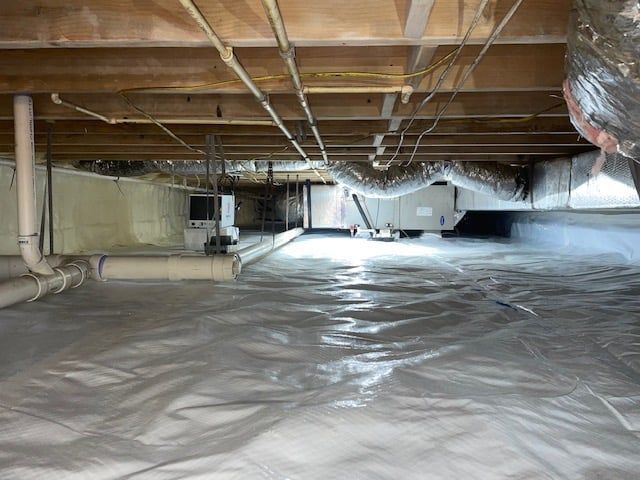
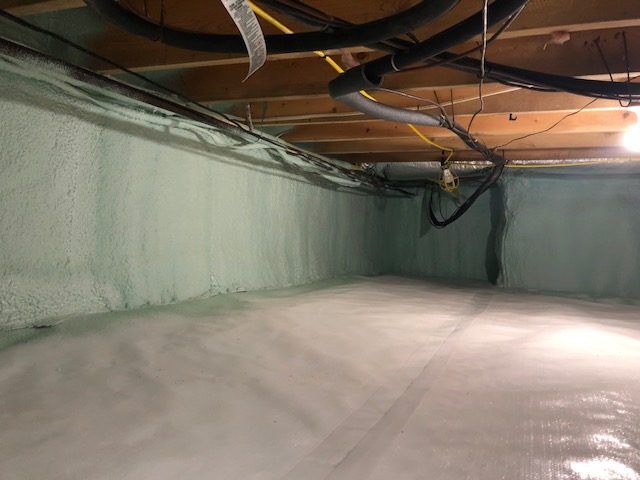
Encapsulation seals the crawlspace completely to create a
moisture and air barrier. This involves:
- Installing a thick
vapor barrier across the floor and walls
- Sealing vents and openings
- Adding
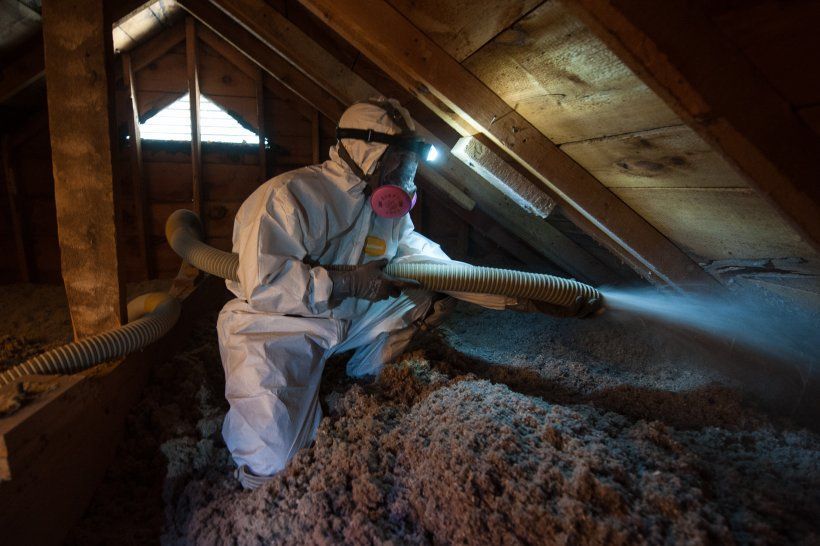
insulation to improve energy performance
- Managing drainage and humidity
Encapsulation prevents outside air, water, and pests from entering the crawlspace, leading to:
- Reduced humidity and mold
- Lower energy bills
- Improved structural longevity
For best results, it’s often paired with
dehumidifier installation and sump pump protection in moisture-prone areas.
Crawlspace Conditioning
Conditioning takes encapsulation a step further by adding
temperature and humidity control — usually by integrating your HVAC system or adding a standalone unit.
A conditioned crawlspace:
- Maintains consistent temperature and humidity
- Improves indoor air quality
- Protects hardwood floors and framing from moisture
- Enhances overall home comfort
When done correctly, a
conditioned or encapsulated crawlspace transforms one of the most overlooked areas of your home into a clean, dry, efficient foundation for healthy living.
Conclusion
Crawlspaces may not be the most visible part of your home, but their impact is huge. From providing access for renovations to protecting your home’s structure and air quality, they’re an essential component of smart home design.
If your crawlspace is damp, drafty, or unsealed, now is the time to take action.
FLC Energy specializes in
crawlspace encapsulation,
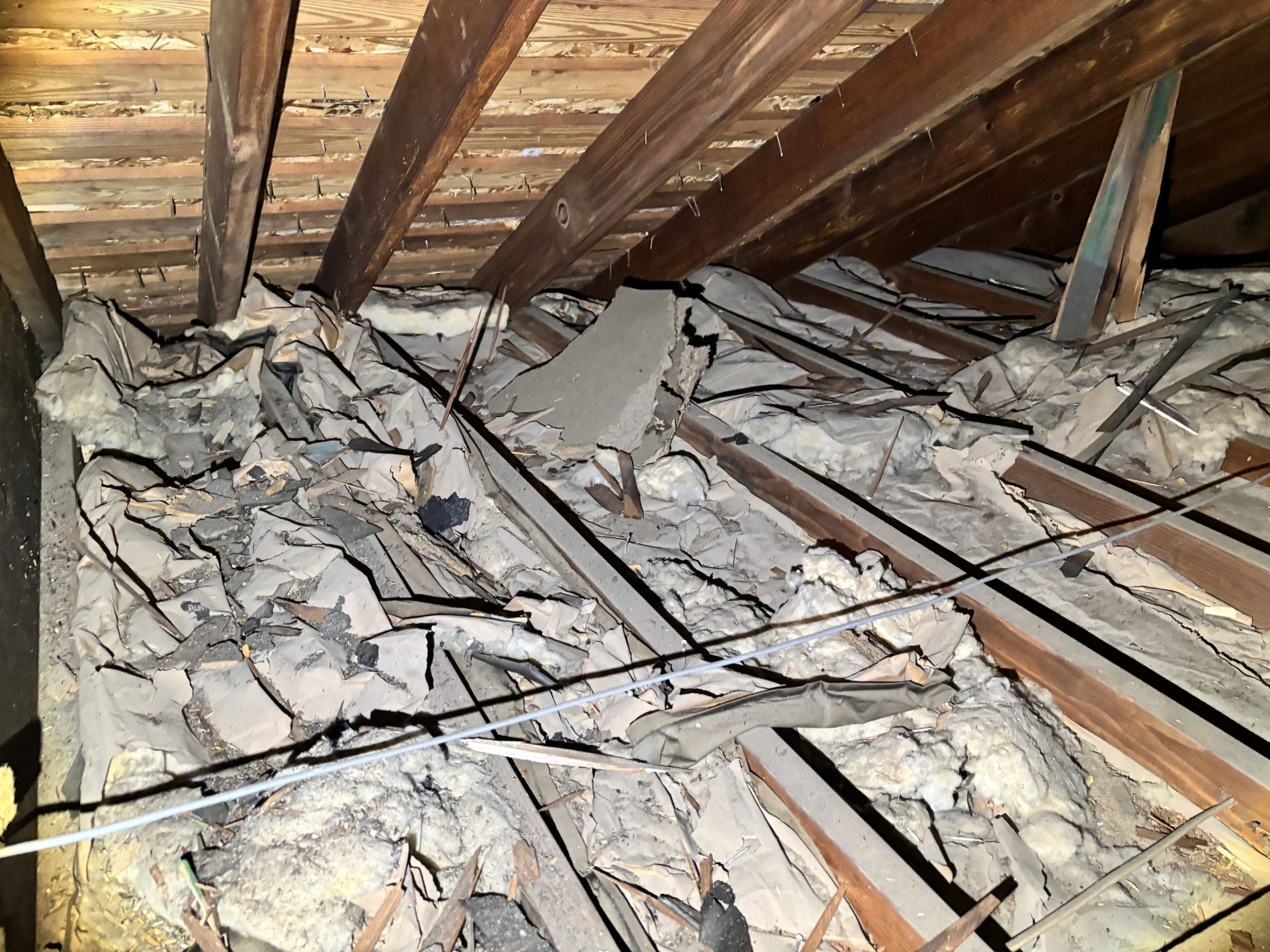
insulation removal, and
home performance upgrades across Maryland and Delaware.
📞 Call
(410) 860-8410 or
schedule your crawlspace inspection today to create a healthier, more efficient home from the ground up.