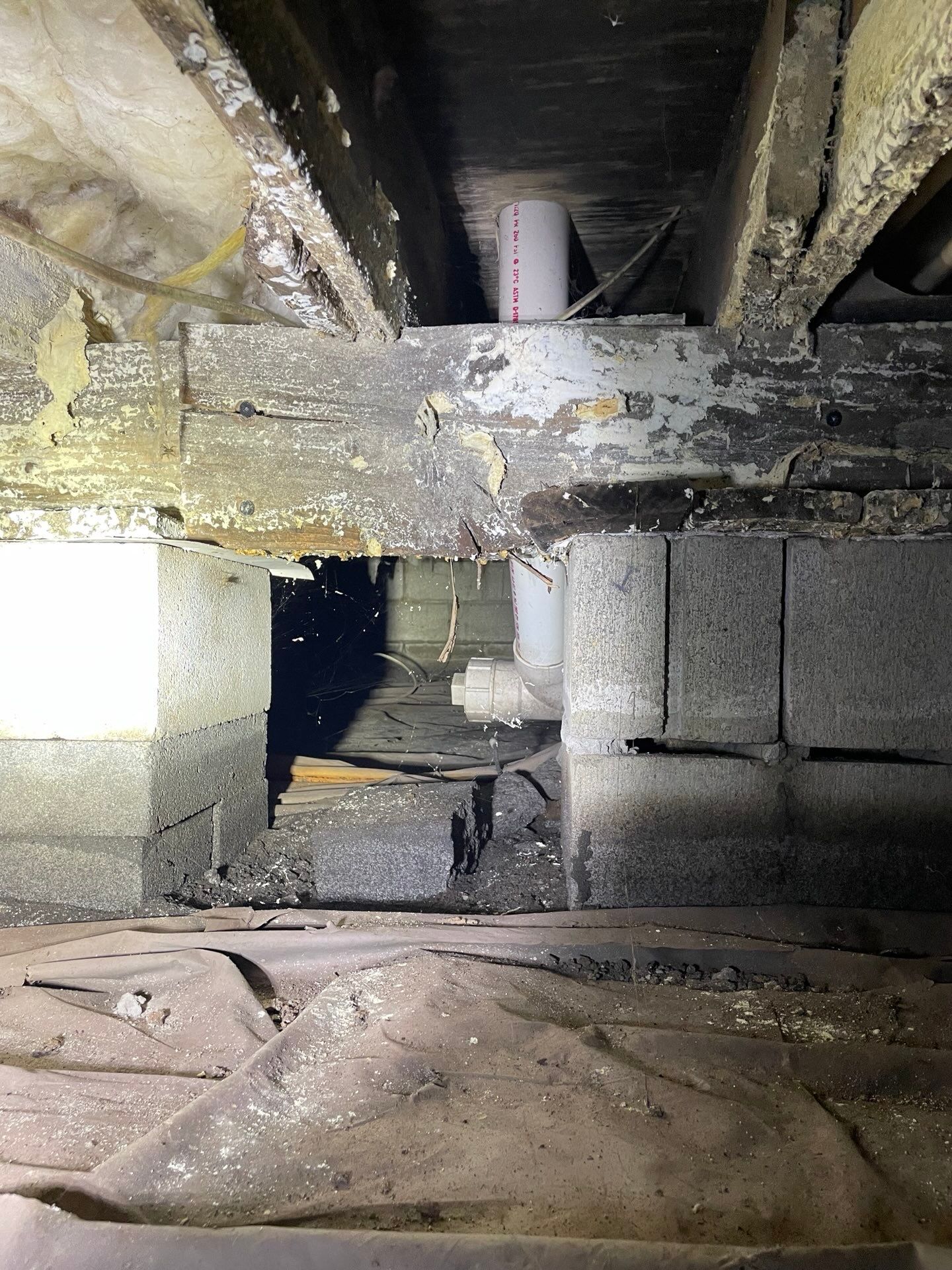
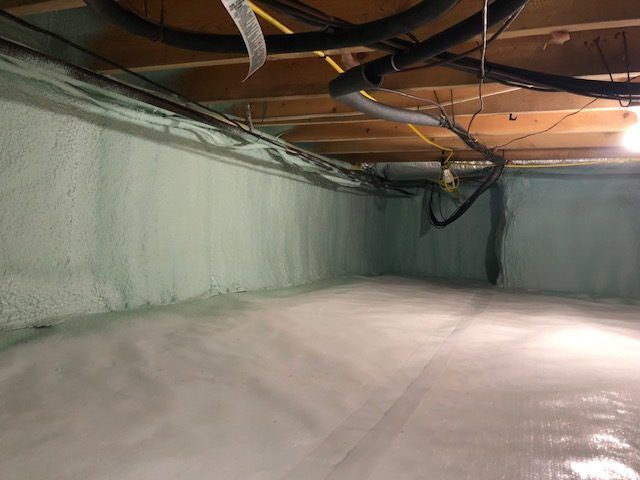
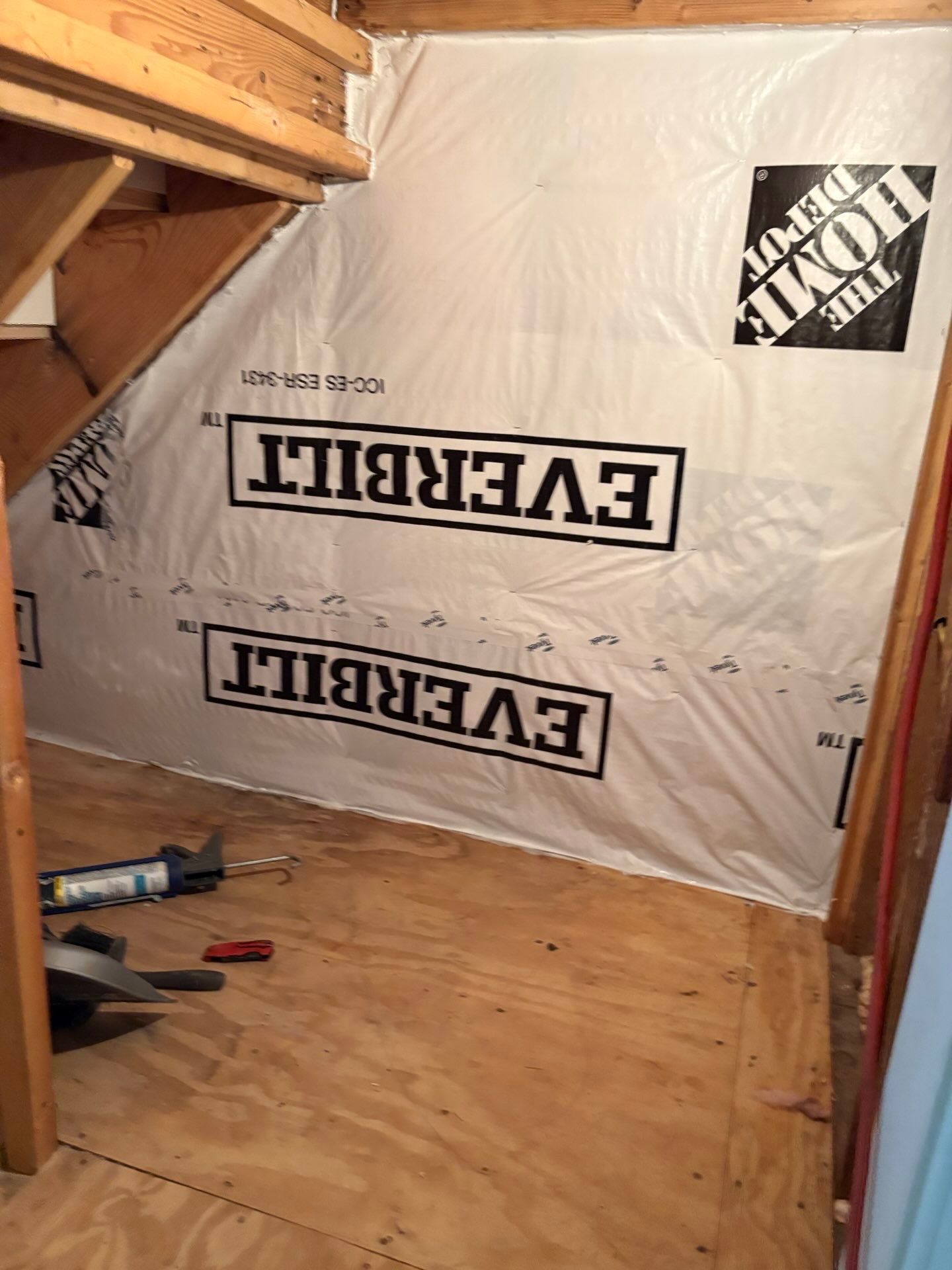
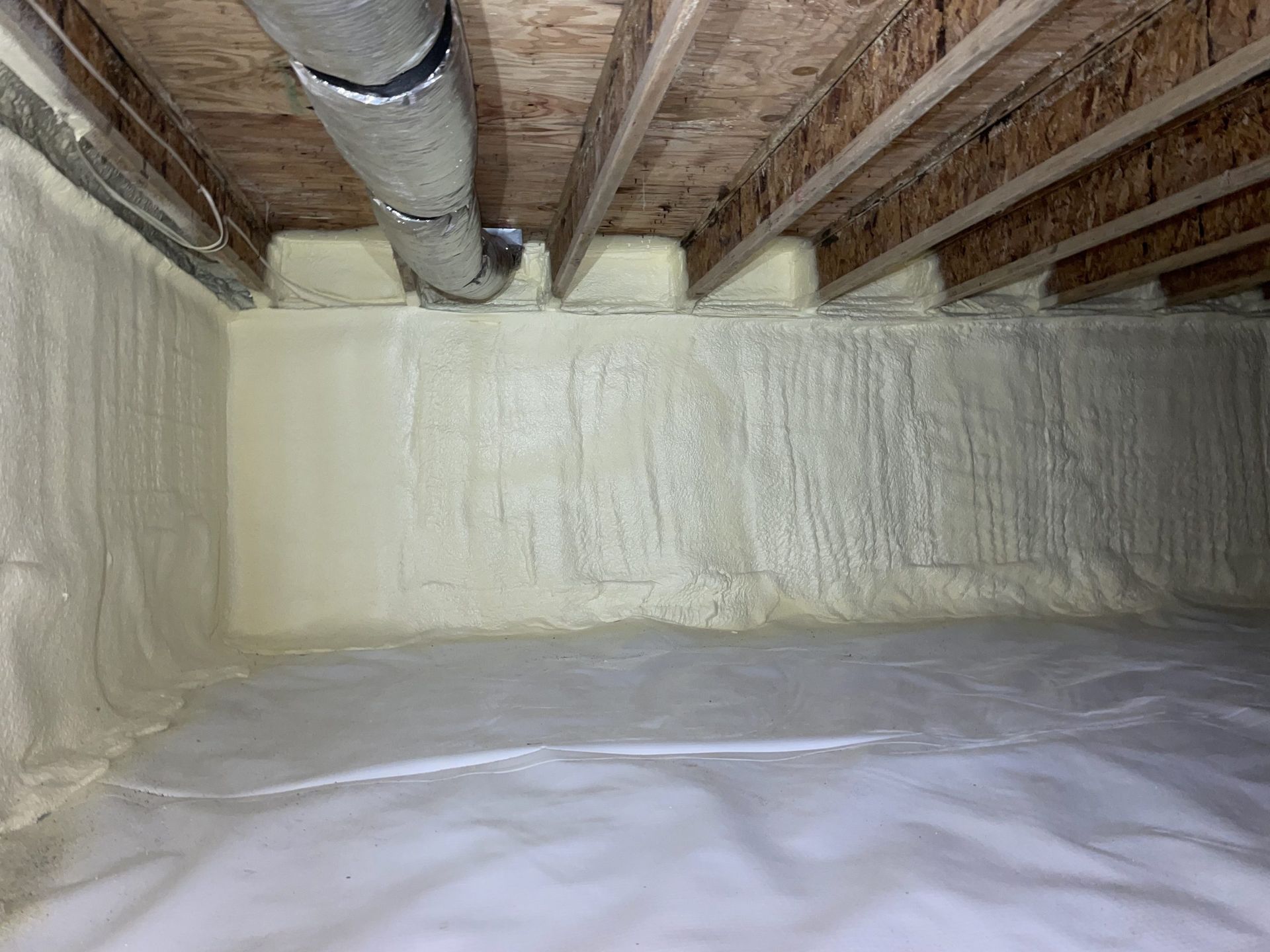
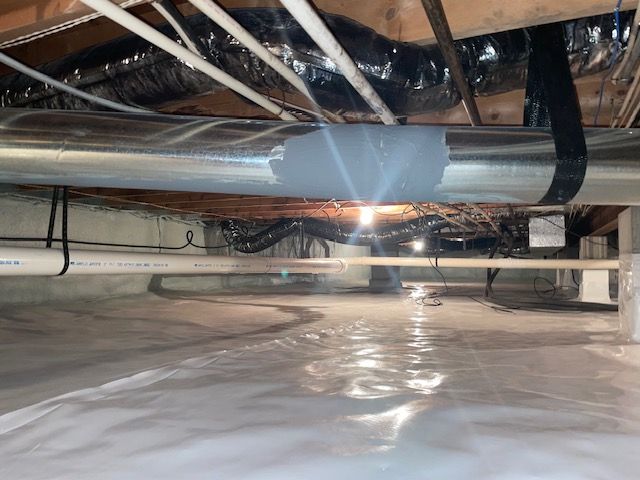
For some home-buyers – and especially home-sellers, they shrug and say, “It’s just a crawlspace.” But that small space beneath your dream home could quickly become a major problem — one that affects your comfort, your health, and the long-term value of your investment.
Remember, If your home inspection reveals moisture or damage under the house, a
crawlspace encapsulation system with a
vapor barrier and
dehumidifier is the proven fix.
💧 The Problem with a Wet Crawlspace
A damp or flooded crawlspace is more than an eyesore — it’s a sign of poor moisture management. Common causes include:
- Improper grading or surface drainage
- Groundwater intrusion during rain or seasonal changes
- Open foundation vents letting in humid outdoor air
- Missing or damaged vapor barriers
- Plumbing leaks or condensate line drips
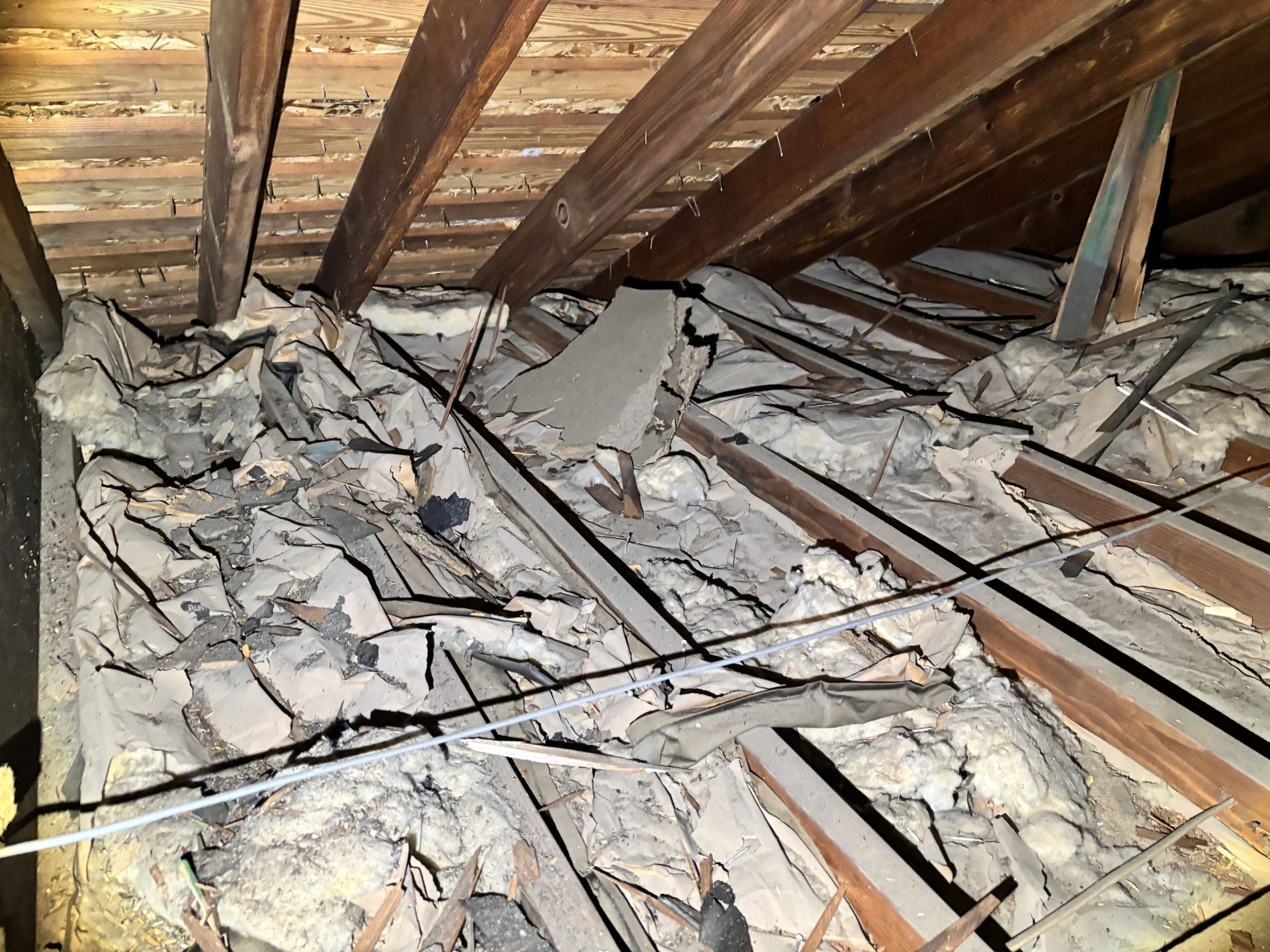
When moisture lingers beneath a home, it creates the perfect environment for
mold, rot, and pests. Over time, this moisture migrates upward through the structure, affecting flooring, air quality, and even your HVAC efficiency.
Unfortunately, many “fixes” sold during home inspections — like laying a thin plastic sheet over the dirt — don’t actually solve the problem.
A piece of plastic is
not moisture control.
Real moisture management in a crawlspace requires a complete system:
closing the vents, installing a sealed vapor barrier, and controlling humidity with a dehumidifier. If you’re unsure how moisture is entering your crawlspace, check out our post on
Vented Crawlspaces – Why They’re No Longer Best Practice. It explains how vented foundations actually
invite humid air into your home rather than letting it escape.
🦠 The Health Impact of a Moldy Crawlspace
When a crawlspace stays damp,
mold begins to grow within days. Spores released by that mold don’t stay confined under your house — they travel upward through floor gaps, HVAC ducts, and even electrical penetrations.
That means the air you breathe upstairs is being pulled directly from below your home.
This “stack effect” is why a wet crawlspace can cause:
- Persistent musty odors
- Allergic reactions and respiratory irritation
- Asthma flare-ups
- Headaches or fatigue
- Exacerbated symptoms for people with compromised immune systems
If your HVAC system is located in the crawlspace, the problem compounds — it circulates crawlspace air throughout your entire home, spreading contaminants even faster. Check out our blog-post
Crawlspace Duct Sealing: Comfort, Health & Efficiency
🧱 Why Vented Crawlspaces Are Outdated
For decades, building codes required vents in crawlspaces to “let moisture escape.” The idea was logical — if you bring in outside air, it’ll dry out the inside.
Unfortunately, building science has since proven that venting often
makes the problem worse.
In humid regions like Delmarva, warm outdoor air enters through those vents and condenses on cool crawlspace surfaces. Instead of drying, your crawlspace gets wetter — leading to insulation sagging, rusted ductwork, and ongoing mold growth.
That’s why modern energy codes now recognize
sealed, conditioned crawlspaces as the superior design standard.
💸 The Cost of Crawlspace Neglect
Moisture problems in a crawlspace only get worse with time.
- Mold remediation can cost anywhere from $1,500–$6,000
- Structural repairs (joists, subfloors, rim boards) can easily exceed $10,000. Sometimes the p
- HVAC replacement due to moisture exposure? Another $5,000–$12,000
And yet, the vast majority of these issues could have been prevented with a proper encapsulation system.
🛠️ The Real Fix: Crawlspace Encapsulation
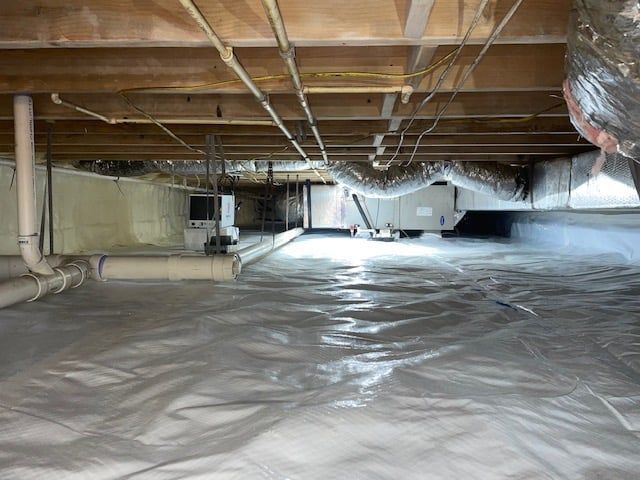
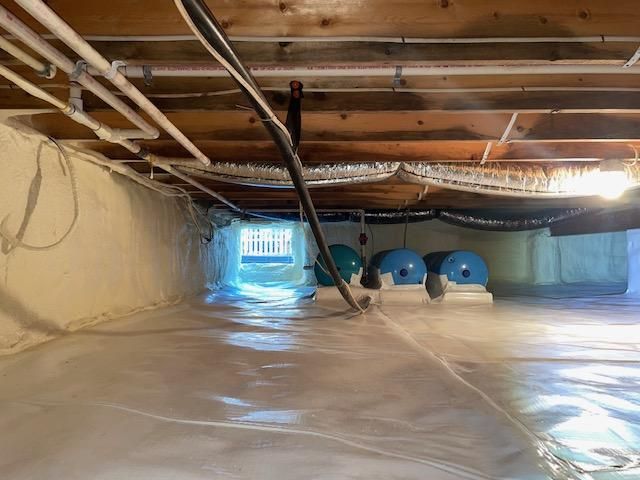
Crawlspace encapsulation is the modern, science-backed solution for moisture control. It turns your crawlspace from a damp, neglected void into a clean, sealed, and conditioned part of your home.
A full encapsulation typically includes:
- Closing and sealing all foundation vents to block humid outdoor air.
- Installing a thick vapor barrier (typically 12–20 mil) across the dirt floor and up the foundation walls.
- Sealing seams and penetrations with mechanical fasteners and specialized tape.
- Conditioning the space — usually with a crawlspace-rated
dehumidifier to maintain ideal humidity levels (around 50%).
- Adding insulation to the foundation walls if needed to improve comfort and energy efficiency.
When properly installed, encapsulation provides a long-term solution that addresses the source of moisture — not just the symptoms.
🌿 The Benefits of a Properly Encapsulated Crawlspace
When you seal and dehumidify your crawlspace, the improvements are immediate and measurable:
- Healthier indoor air quality: No more musty smells or mold spores circulating through your home.
- Increased energy efficiency: Your HVAC system doesn’t fight constant humidity and works less to keep you comfortable.
- Extended HVAC lifespan: Clean, dry air extends the life of your system components.
- Protection against rot and structural decay: Wood framing and insulation stay intact.
- Higher home value: Home inspectors and buyers recognize encapsulated crawlspaces as a premium feature.
To learn more about what this process looks like from start to finish, visit
The Guide to Crawlspace Encapsulation. It covers materials, installation steps, and the measurable improvements you can expect in air quality and comfort.
⚠️ A Common Homebuying Trap
Real estate listings often say “moisture issue addressed” or “crawlspace covered with vapor barrier” — but this usually means someone
threw down a piece of plastic and called it done.
That approach might satisfy a quick inspection report, but it doesn’t address air leaks, foundation vents, or ongoing humidity. Within months, the same issues return — often worse than before.
If you’re buying or selling a home, make sure the crawlspace has been
properly encapsulated and dehumidified. A vapor barrier alone is not enough.
🏡 Turning a Flaw into an Upgrade
Buying a dream home with a bad crawlspace isn’t a dealbreaker — it’s an opportunity to make your home healthier, more efficient, and more valuable.
When you work with
FLC Energy, our team evaluates your crawlspace as part of your home’s overall performance system. We don’t just cover the dirt — we solve the problem at its source with
encapsulation, dehumidification, and proper sealing.
📞
Call (410) 860-8410 or
schedule a consultation to discuss crawlspace encapsulation today.
FLC Energy — Delmarva’s Home Performance Company
#CallFLC |
www.FLCGreenTeam.com