🧱 The Guide to Crawlspace Encapsulation
A home’s foundation is more than just the concrete it’s built upon — it includes several hidden systems that impact
comfort, energy efficiency, and long-term durability. One of the most overlooked areas is the
crawlspace.
When left untreated, crawlspaces often become a breeding ground for
mold, pests, and structural issues — all of which can affect your home’s health and performance. That’s where
crawlspace encapsulation comes in.
In this guide, we’ll walk through
what crawlspace encapsulation is, why it’s necessary, how it’s done, and the
benefits of sealing this critical part of your home.
🔍 What Is Crawlspace Encapsulation?
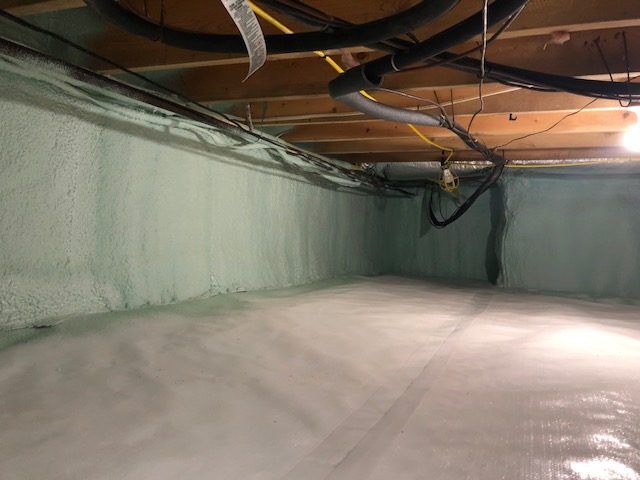
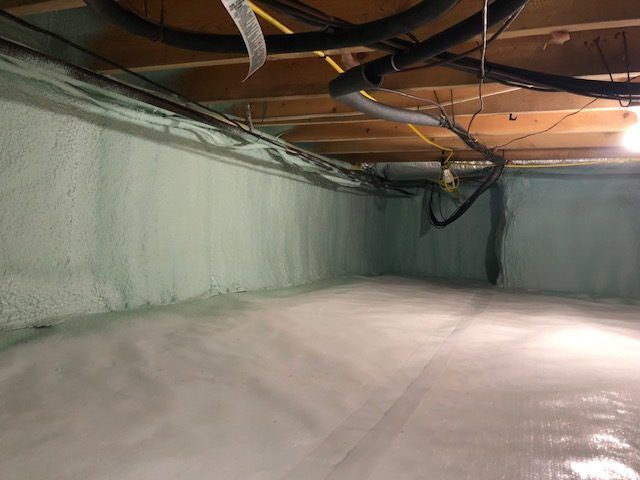
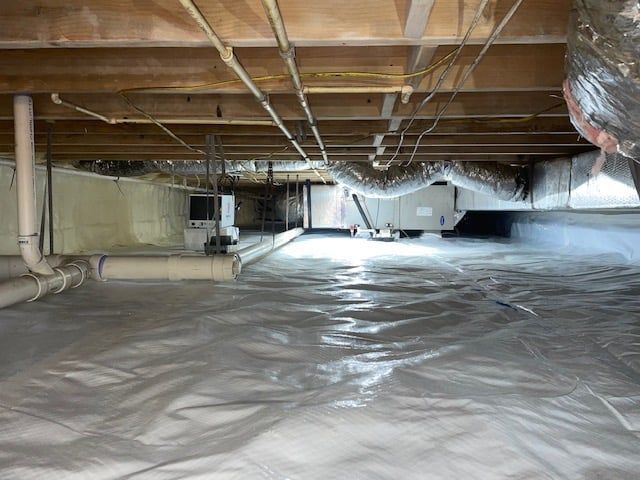
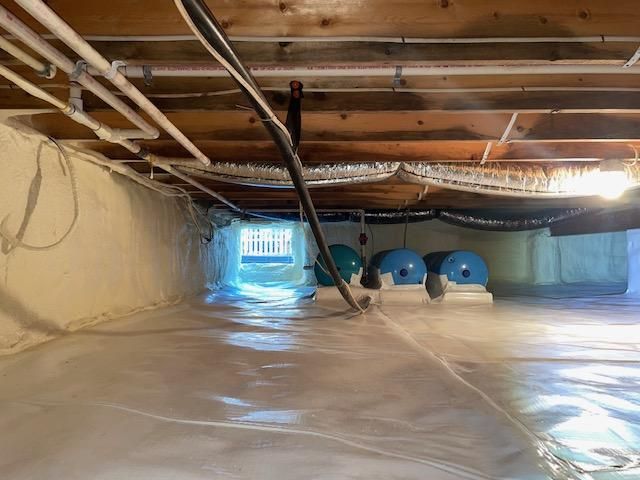
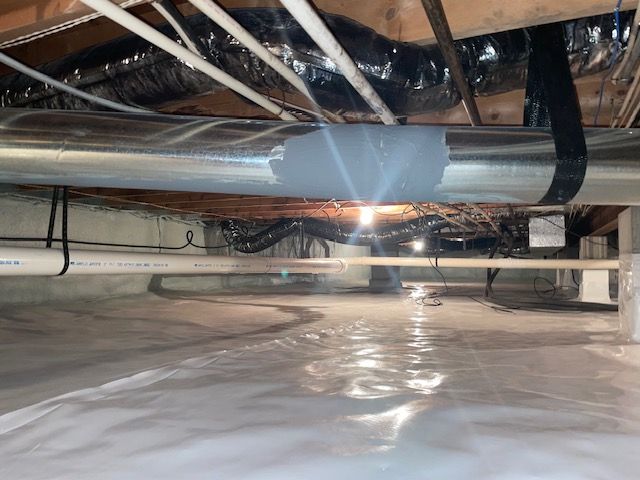
Crawlspace encapsulation is the process of
sealing your crawlspace to block out moisture, air leaks, and outside contaminants. This involves installing a
vapor barrier (a thick polyethylene liner) over the
floors, walls, and piers, creating a complete moisture barrier between your home and the ground.
A proper encapsulation system typically includes:
- Sealing off all vents, doors, and penetrations
- Installing a
20-mil reinforced vapor barrier
- Adding
insulation on walls or rim joists
- Using a
dehumidifier designed for crawlspaces to control humidity levels
This transforms the crawlspace from a damp, neglected zone into a
dry, conditioned part of the home.
👉 Learn more about how encapsulation fits into a full home upgrade with our
Home Performance Services.
🌧️ Why Crawlspace Encapsulation Is Necessary
An open or unsealed crawlspace can lead to a range of costly and unhealthy problems:
🦠 Mold and Mildew
Moisture buildup creates the perfect environment for
mold and mildew growth. These contaminants not only weaken wood and insulation but can also travel into your living space, impacting indoor air quality.
🧱 Structural Damage
Persistent dampness can cause
wood rot, rust, and foundation damage. Over time, this can compromise the safety and integrity of your home’s structure.
🐀 Pests and Infestations
Damp crawlspaces attract rodents, termites, and insects. Sealing and drying the space helps
deter pests and prevents hidden infestations from developing.
⚡ Energy Inefficiency
Moist, unconditioned air under your home makes your
HVAC system work harder. This leads to
higher utility bills and uneven comfort levels throughout the home.
Encapsulation keeps air dry, conditioned, and clean — saving energy and money.
👉 See our related post:
Weatherization Measures for Energy Efficiency
🧰 How to Encapsulate a Crawlspace (Step-by-Step)
Encapsulating a crawlspace requires
planning, precision, and the right materials. Here’s how professionals (like
FLC Energy) typically handle it:
1️⃣ Inspect and Clean the Space
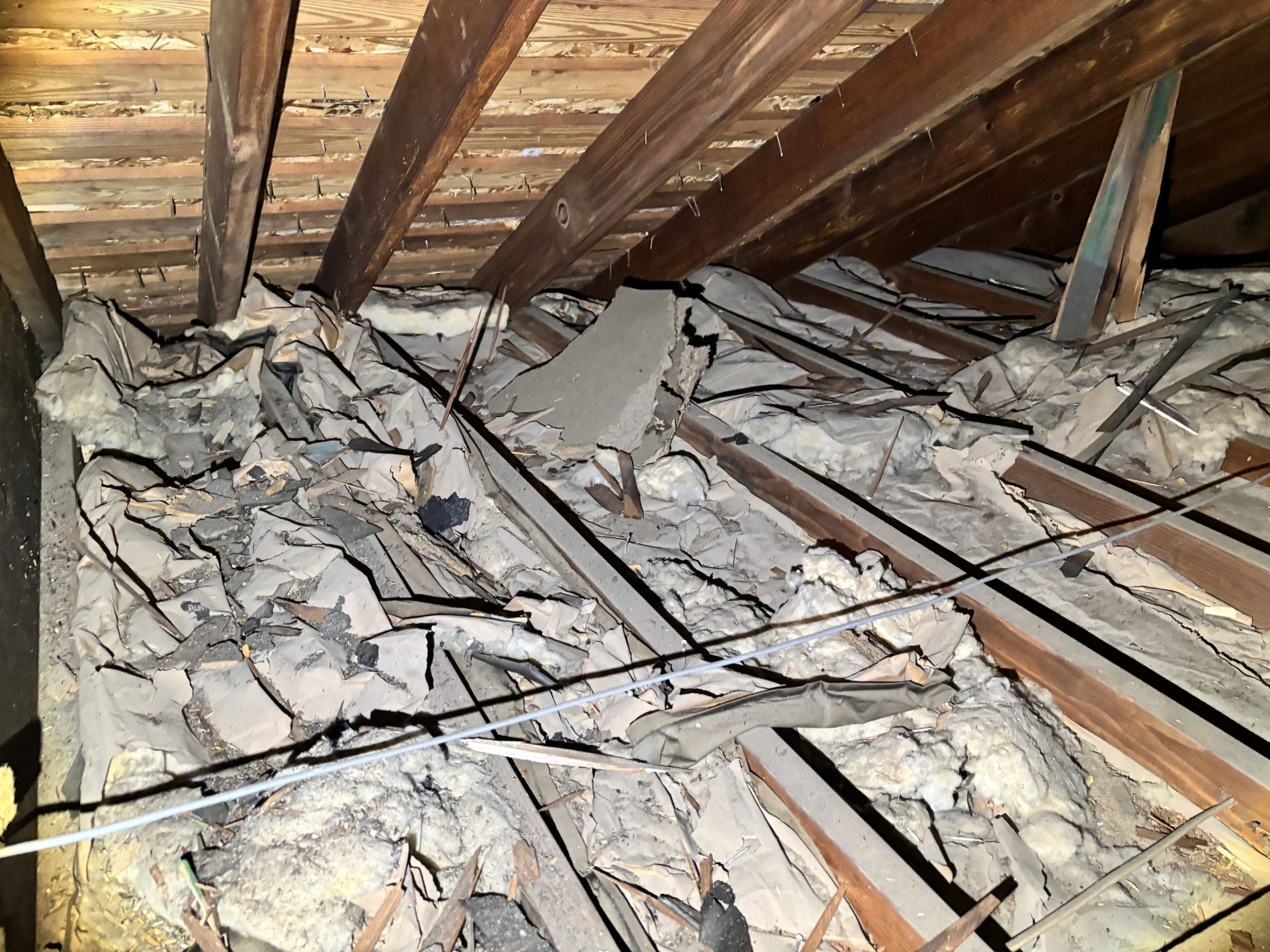
Inspect for
standing water, pests, mold, or damaged insulation. Remove old materials, debris, and contaminated insulation.
2️⃣ Repair and Treat
Address
any leaks, rot, or mold before proceeding. If necessary, bring in
mold remediation or
pest control specialists.
3️⃣ Seal Vents and Openings
All
foundation vents, doors, and pipe penetrations are sealed to stop humid outdoor air from entering.
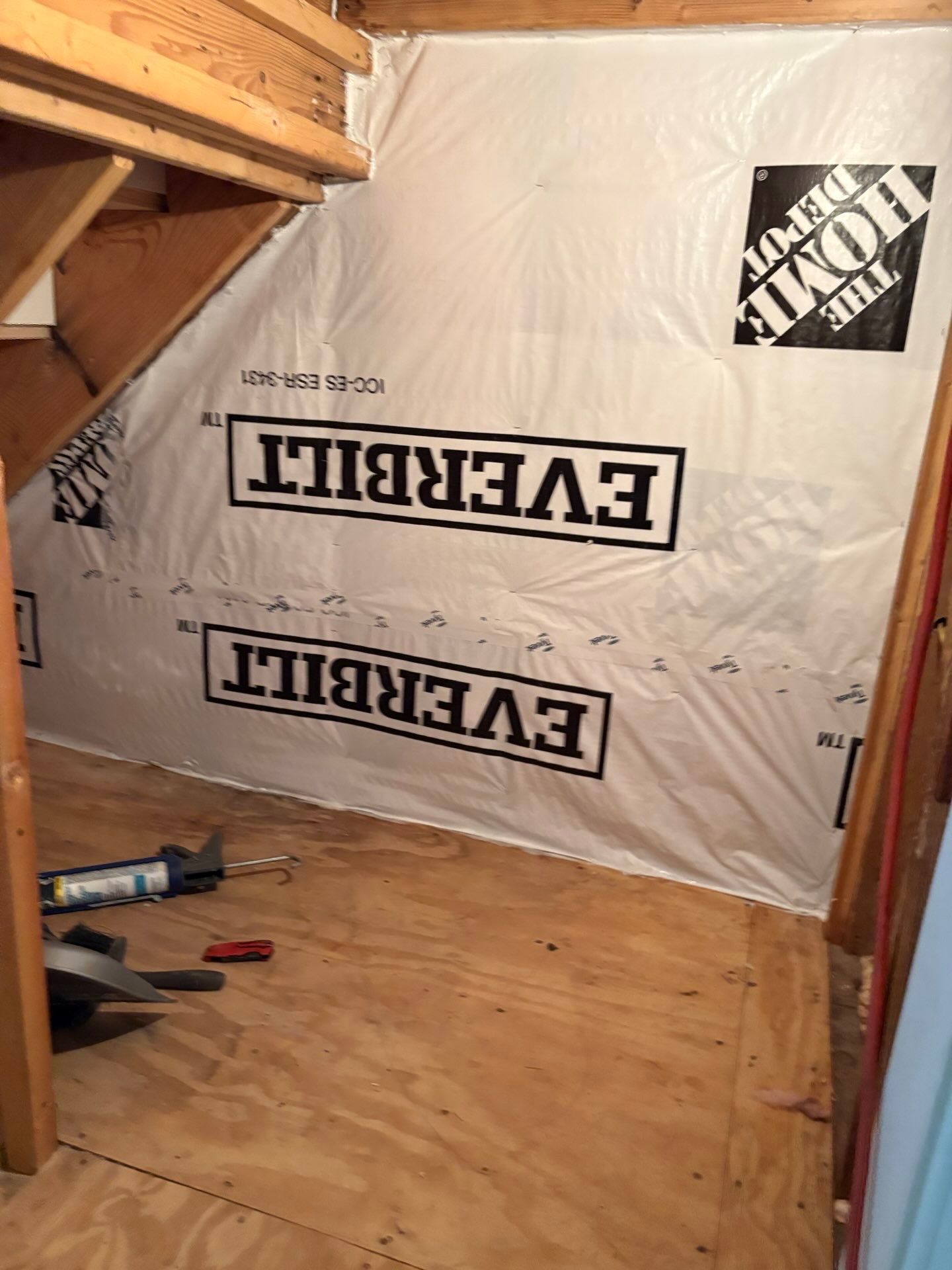
4️⃣ Install a Vapor Barrier
Lay down a
20-mil polyethylene vapor barrier over the entire floor and up the walls. It should wrap around piers and be tightly sealed at all seams with special encapsulation tape.
5️⃣ Seal All Seams and Edges
Overlap and tape vapor barrier seams to create a
continuous moisture seal. This step is critical for long-term performance.
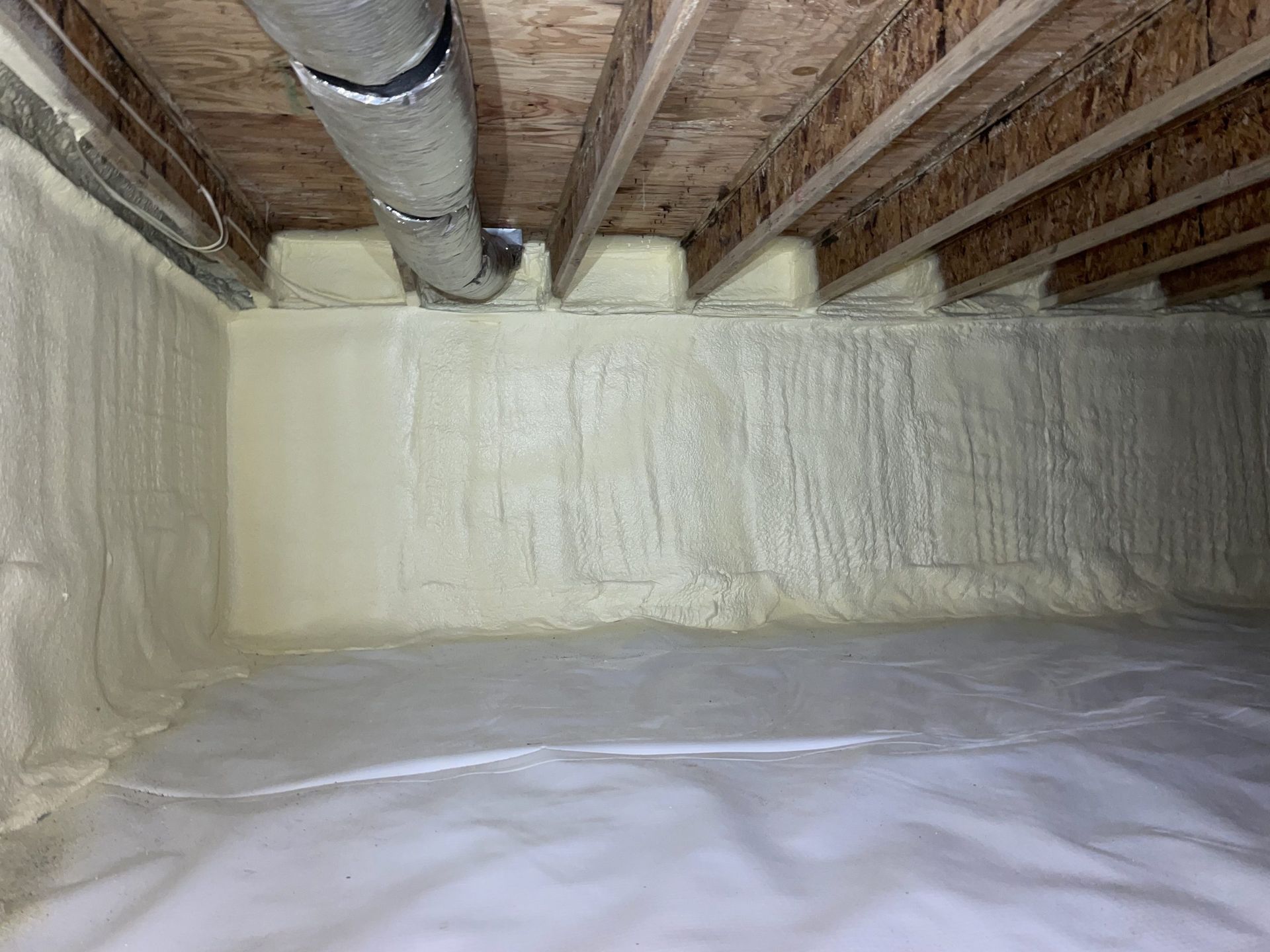
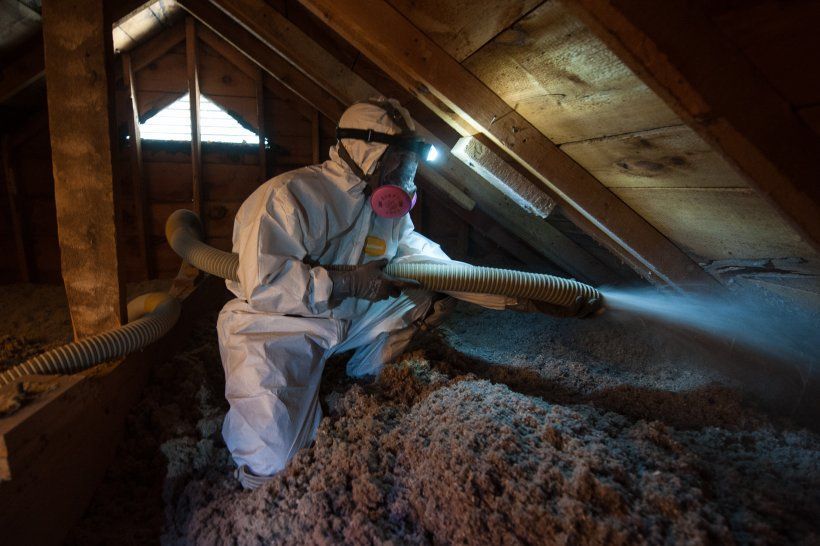
6️⃣ Add Insulation
Insulate the
crawlspace walls or
rim joists (depending on your climate zone) to reduce heat transfer and improve comfort.
7️⃣ Install a Dehumidifier
Finally, install a
dedicated crawlspace dehumidifier to regulate humidity levels and prevent condensation.
💪 Benefits of Crawlspace Encapsulation
The advantages of encapsulating your crawlspace extend beyond just moisture control:
🌬️ Healthier Indoor Air Quality
Encapsulation reduces mold spores, allergens, and musty odors — resulting in
cleaner air and fewer allergy symptoms for your family.
💡 Improved Energy Efficiency
A sealed crawlspace keeps your HVAC system running efficiently,
lowering your energy costs and helping maintain consistent comfort year-round.
🏡 Increased Home Value
Encapsulation is a valuable upgrade that can
increase resale value. It signals a well-maintained home and appeals to energy-conscious buyers.
🧱 Structural Protection
By controlling moisture, you prevent
rot, rust, and foundation damage, extending the lifespan of your home’s structure.
🐜 Pest Prevention
A clean, dry crawlspace helps keep
termites, rodents, and insects away — protecting both your foundation and your family’s health.
🧾 Professional vs. DIY Encapsulation
While handy homeowners might consider DIY encapsulation, it’s often best handled by professionals.
An experienced contractor:
- Knows which materials and thicknesses meet
local code
- Can spot unseen issues (like hidden leaks or mold)
- Provides
warranties and guarantees for the work
DIY attempts often skip key steps like air sealing or dehumidifier installation, which can lead to premature failure or hidden moisture buildup.
If you’re serious about protecting your home, it’s worth getting a professional quote from
FLC Energy.
🏁 Wrapping Up
Crawlspace encapsulation is one of the
most effective home upgrades for improving air quality, comfort, and energy efficiency.
Whether you’re preventing problems or improving an existing space, encapsulation helps:
- Lower energy bills
- Reduce moisture and mold
- Protect your foundation
- Make your home healthier overall
Your crawlspace might be out of sight — but it shouldn’t be out of mind.
📞
Ready to get started?
Schedule your crawlspace consultation or call
(410) 860-8410 today.
#CallFLC — Delmarva’s Home Performance Company