Should I Encapsulate My Crawlspace?
The short answer?
Yes.
But there’s a little more to it than that. Different companies may use different terms or systems that all aim for the same goal — a
clean, dry, healthy, and energy-efficient crawlspace.
At
FLC Energy, we often recommend
Conditioned Crawlspaces over traditional
Encapsulated Crawlspaces because they provide greater comfort, air quality, and long-term efficiency. Here’s what that means, and how you can make sure your crawlspace is performing the way it should.
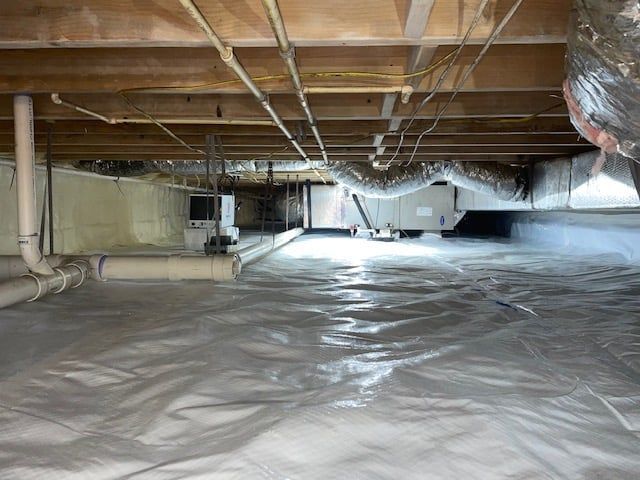
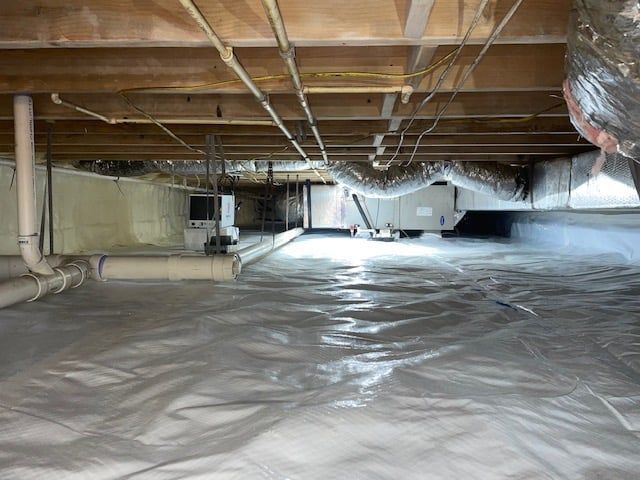
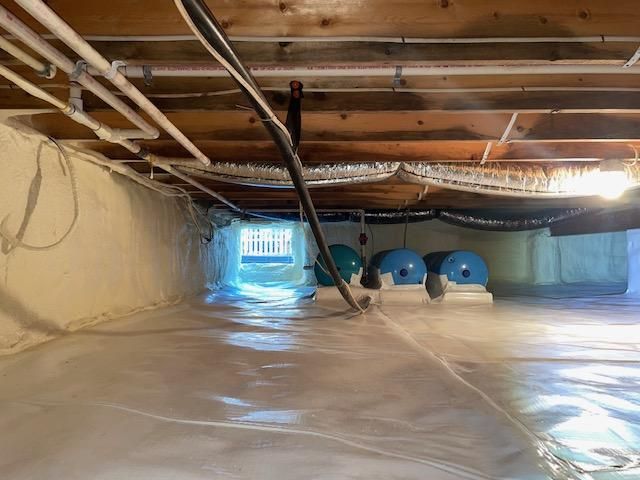
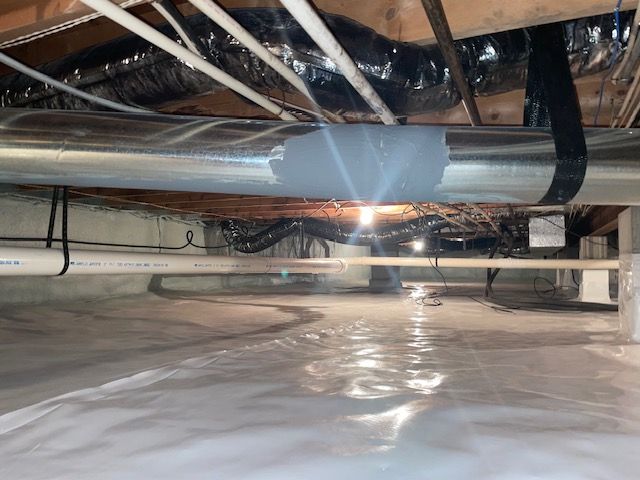
🏗️ What Is an Encapsulated Crawlspace?
An
encapsulated crawlspace is designed to manage
bulk water and relative humidity. These systems:
- Prevent
rot,
mold,
soil gas odors, and
pests
- Are
sealed from outside air but
not heated or cooled like the rest of the home
- Usually have
insulation in the crawlspace floor, separating it from the conditioned living space
Encapsulation is a big step forward compared to vented crawlspaces (see our post
Vented Crawlspaces – Why They’re No Longer Best Practice), but it doesn’t quite achieve the same efficiency as a
Conditioned Crawlspace.
💧 Controlling Bulk Water and Moisture
Crawlspaces experience water problems from three main sources:
- Groundwater – Often controlled with a
vapor barrier or plastic sheeting on the floor.
- Condensation – Forms when warm, humid air hits cold surfaces like ducts, pipes, or HVAC equipment.
- Foundation or Footer Water – Seepage through block or concrete walls, usually managed with
French drains or
sump pumps.
If your crawlspace has standing water, you’ll likely need a
sump pump and possibly a
drainage system. Learn more in
Should I Install a Sump Pump? Essential Components for a Dry Basement or Crawlspace.
Even if you don’t currently see water, it’s smart to plan ahead. A sump pump can prevent future flooding from burst pipes or stormwater before it ever becomes a problem.
🌫️ Regulating Humidity in a Crawlspace (No More Condensation!)
When it comes to humidity control,
FLC Energy always recommends a crawlspace dehumidifier — even if the space is conditioned with the home’s HVAC system.
In today’s airtight, energy-efficient homes, a dehumidifier keeps humidity consistently under 60%, preventing condensation, mold, and musty odors.
For best results, install a
remote hygrometer or smart humidity sensor that lets you monitor conditions from your phone. These devices alert you to spikes in humidity or temperature changes — for example, if someone accidentally leaves the crawlspace door open.
Learn more about how this connects to air quality in
Crawlspace Duct-Sealing: Comfort, Health & Efficiency.
🦠 Preventing Mold and Rot
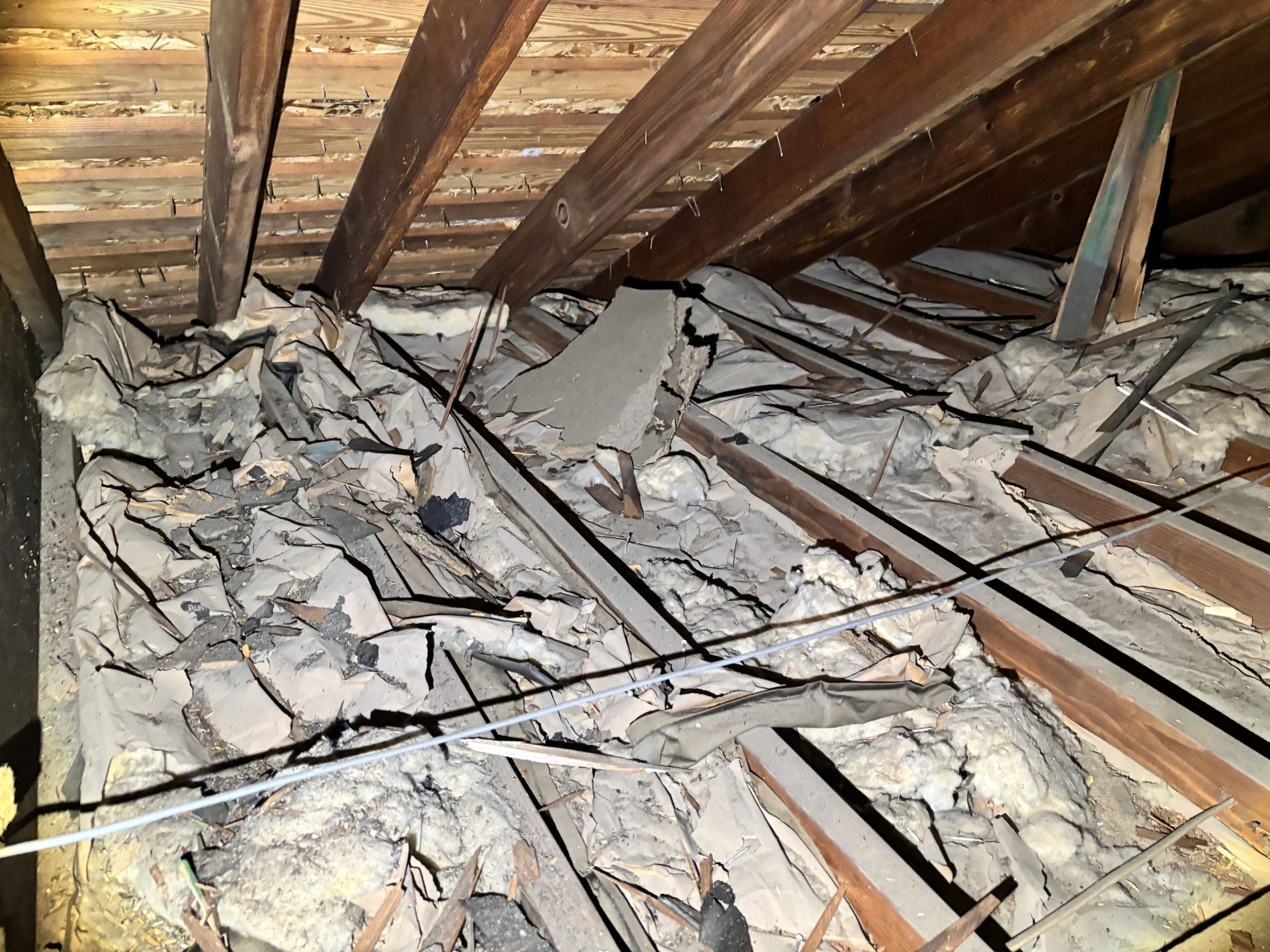
Given our humid climate on the Delmarva Peninsula, it’s very common to find
mold growth or
wood rot in crawlspaces. These problems develop when humidity and moisture are not actively managed.
However, when a crawlspace is properly encapsulated or conditioned — with moisture, air, and temperature under control — mold and rot become nearly impossible.
Unfortunately, many crawlspaces (even in new construction) are still being built using
outdated methods, like vented foundations or thin plastic liners that don’t actually control air or water vapor.
A true
Encapsulation or Conditioning System eliminates these problems and transforms your crawlspace into a clean, dry, stable environment that supports the rest of your home.
🌡️ Conditioned Crawlspaces: The FLC Energy Standard
At
FLC Energy, we take encapsulation a step further with
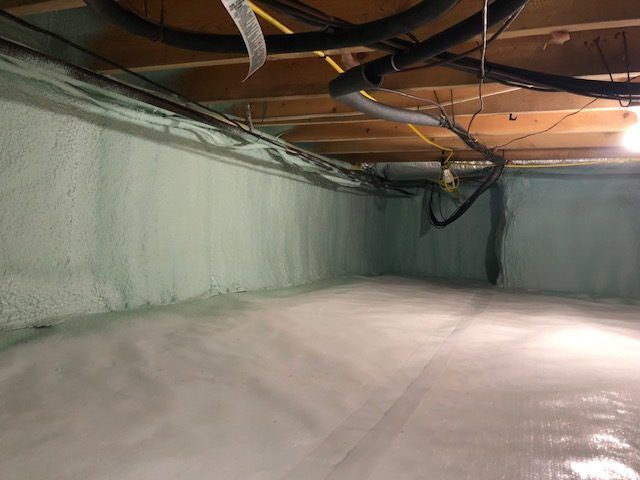
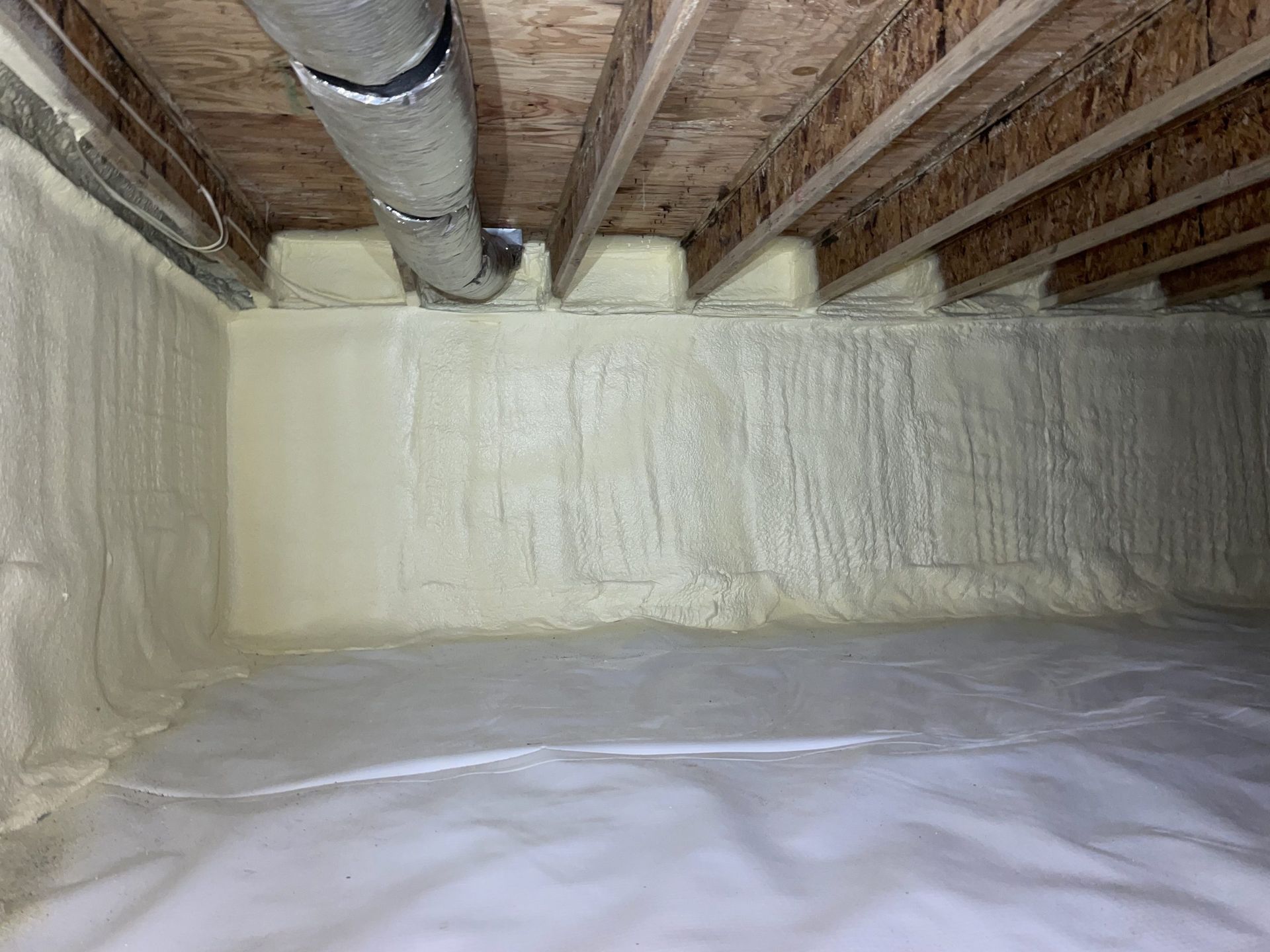
Conditioned Crawlspaces. These spaces are brought within your home’s thermal boundary — meaning they share the same controlled environment as your living area.
Conditioned crawlspaces:
- Use
wall insulation instead of floor insulation
- Are
sealed from outdoor air
- Include
dehumidification and sometimes a small HVAC
supply or return vent
- Deliver better
comfort,
energy efficiency, and
air quality
This design is supported by building science experts across the country and represents the most advanced standard for home performance today.
🏡 Why Crawlspace Encapsulation or Conditioning Matters
A properly designed crawlspace system protects your home from the ground up.
It:
- Prevents
mold, rot, and pests
- Protects
structural integrity
- Improves
indoor air quality
- Reduces
energy costs by stabilizing temperatures year-round
If you’re considering buying a home, renovating, or addressing existing crawlspace issues, explore our related resources:
Ready to make your crawlspace part of your home’s healthy, efficient living environment?
📞
Call FLC Energy at (410) 860-8410 or
schedule a consultation.
FLC Energy — Delmarva’s Home Performance Company
#CallFLC |
www.FLCGreenTeam.com